 "They did not need to die." Neytiri - AvatarAfter making a jot of notation, Rick continued, turning to the eighth question of the Voight-Kampff profile scale. "You have a little boy and he shows you his butterfly collection, including his killing jar.""I'd take him to the doctor." Rachael's voice was low but firm.Blade Runner - Philip K. Dick
Nearly all
North American bird species are federally protected under the
Migratory Bird Treaty Act of 1918, which makes it unlawful to
take migratory birds, their eggs, feathers, or nests. "
Take" is defined to include by any means or in any manner, any attempt at hunting, wounding, killing possessing, or transporting any migratory bird, nest, egg, or part thereof.
About a year ago I discovered several
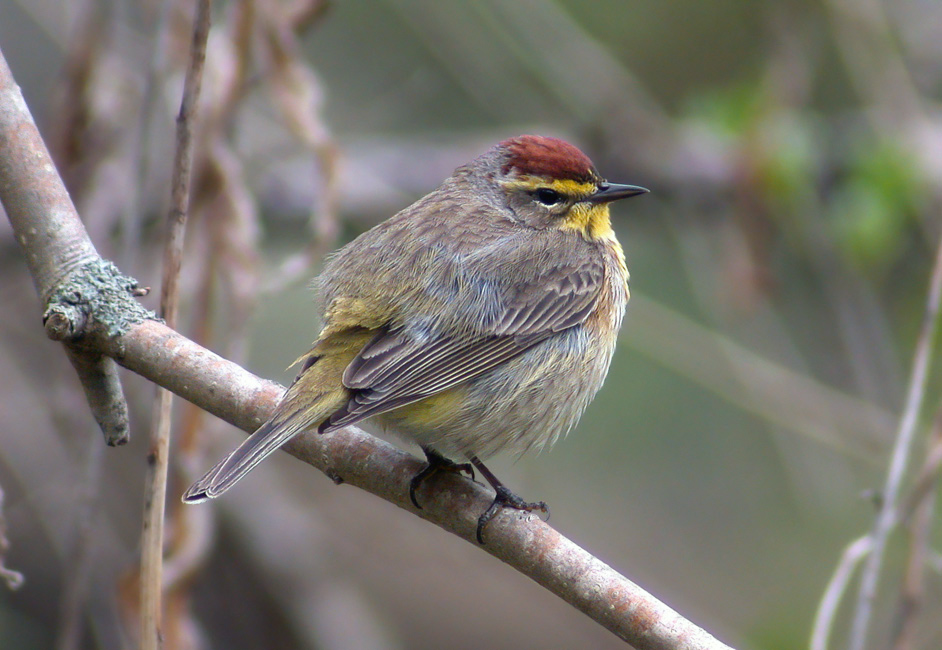
YouTube videos of kids shooting and killing songbirds (nuthatches, chickadees, sparrows, catbirds, robins, jays, woodpeckers, wrens, warblers, flycatchers, and more) with BB guns, pellet guns, and even
arrows. It's quite despicable and sad for a birder to watch. It's apparent these kids don't realize they're breaking the law; some even emulate the style and enthusiasm of professional hunting shows found on television.
Are these kids merely honing their hunting skills? Will they evolve into ethical wildlife stewards and protectors of habitat by contributing to land conservation as licensed hunters? Did
you shoot songbirds with a BB or pellet gun when you were a kid? The videos offer plenty to think about.

Keeping this in somewhat of a perspective, of all
threats to migratory birds, habitat loss and fragmentation is the primary cause of steady population declines. Other human causes of mortality (tens of millions of birds annually) include pesticides, feral cats, and collisions with buildings, windows, and automobiles. Fairly low on the list you'll find hunting. Because it's managed by federal and state agencies, hunting birds
legally is not considered a threat to the population of
any North American bird.
So, what about the
illegal hunting of birds? There really isn't much data out there, but apparently over
3 million BB and pellet guns are sold each year. This doesn't tell us much. How many of these videos are on YouTube? The more I searched the more I found, and the list at the end of this post is a mere sampling of what's out there.
For a long time I kept knowledge of these videos to myself. However, I decided to forward one in particular to the US Fish & Wildlife Service because it showed a visible license plate on a vehicle in the background. I thought it would be an easy case for them to investigate and potentially prosecute. Weeks passed, but nothing ever became of my inquiry. Finally, I decided to share the videos with
Sharon Stiteler of Birdchick Blog. Repulsed by them, she also reached out to USF&WS and here is the reply she received and recently shared with me:
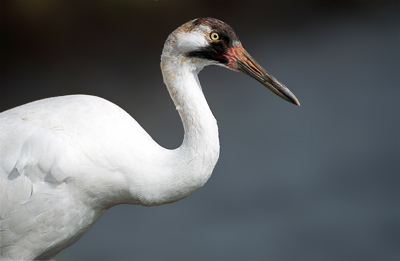
"Here is our law enforcement's response [below]. Unfortunately, the reality is that juveniles are involved and not enough badged men to go around, so anything you wish to take into your own hands education-wise is up to you."USFWS, Reg. 3, Migratory Bird Permit Office"Two of the three, and possibly all three of these videos show only evidence of children shooting birds. The Federal government does not prosecute juveniles, except for the most heinous of crimes. Lot's of these types videos floating around the web and not enough agents. Took us several months and hundreds of investigative hours (including numerous interrogations and lab work) to catch the whooping crane shooter, only to discover DOJ would not prosecute the juvenile shooter (he was 17). Some of our agents do pursue these types of investigations when time allows."U.S. Fish and Wildlife Service - Midwest RegionThe kids know not what they do, but I dare you to tell them that. If you leave a comment on a video citing its unlawfulness you'll be met with the most extreme and juvenile vitriol. You know, because they're
just kids. So, what now? Contact YouTube? They're unlikely to police it. In fact, I couldn't find anything specifically prohibiting the posting of these types of videos in their Terms of Service or
Community Guidelines except possibly this:
"Don't post videos showing bad stuff like animal abuse, drug abuse, under-age drinking and smoking, or bomb making."Do
you think this constitutes animal abuse? From an animal rights perspective, are these songbird killing videos depicting anything worse than legal duck, turkey, and pheasant hunting? I would like your thoughts and ideas. For now, the best it seems I (we) can do is to
flag the videos:
YouTube: We Enforce These Guidelines"YouTube staff review flagged videos 24 hours a day, seven days a week to determine whether they violate our Community Guidelines. When they do, we remove them. Sometimes a video doesn't violate our Community Guidelines, but may not be appropriate for everyone. These videos may be age-restricted. Accounts are penalized for Community Guidelines violations and serious or repeated violations can lead to account termination."YouTube, LLC901 Cherry Ave.San Bruno, CA 94066Phone: +1 650-253-0000Fax: +1 650-253-0001WARNING: The following videos show unlawful killing of songbirds; some are extremely graphic and will likely upset anyone who admires songbirds. Yellow-rumped Warbler (Removed!)White-throated SparrowNorthern MockingbirdAmerican Robin #1American Robin #2Gray CatbirdTufted TitmouseEastern PhoebeBrown ThrasherCarolina WrenNorthern CardinalBlue Jay (Removed!)Yellow-bellied SapsuckerMultiple Songbirds #1Multiple Songbirds #2Multiple Songbirds #3