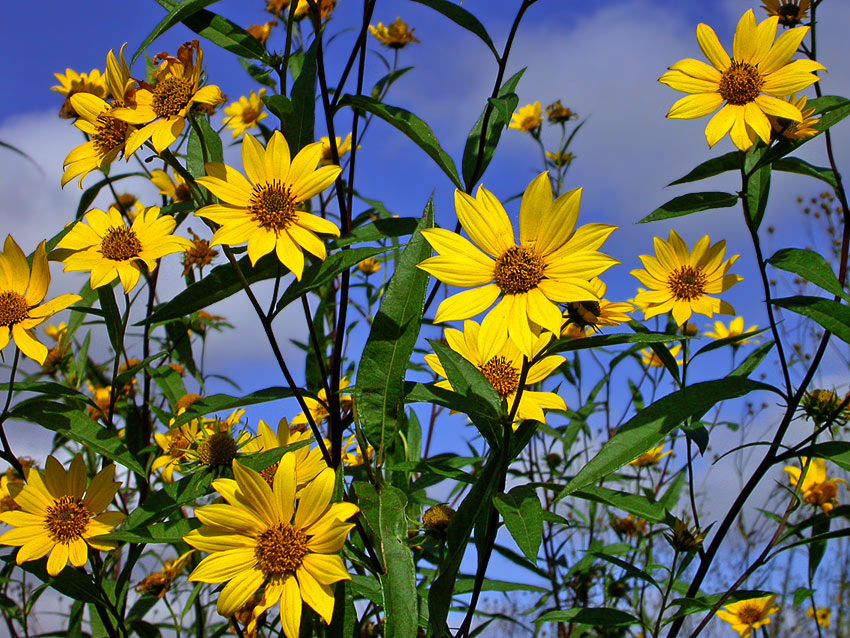
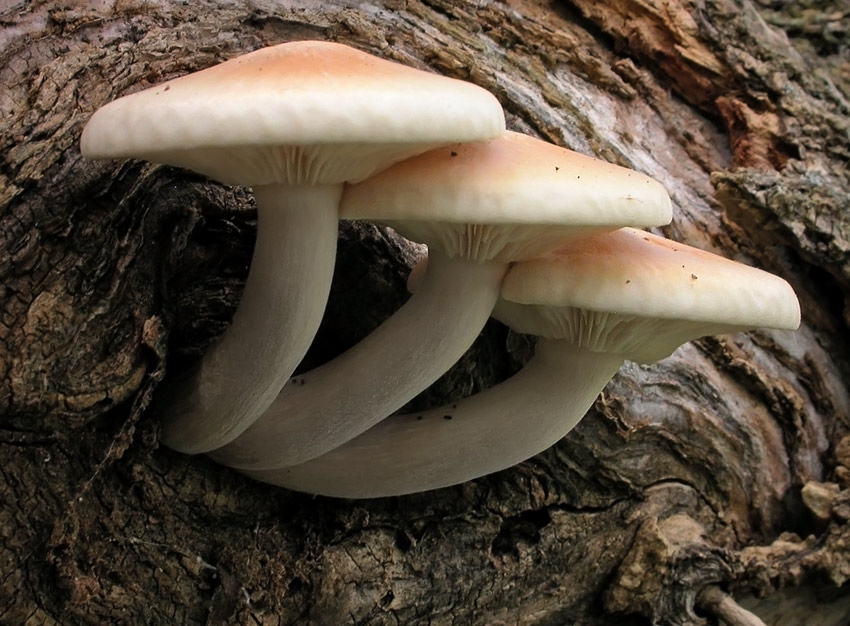
Adorned with beautiful nature photographs taken right at the conservancy by local photographers, learn about nature and science topics each month, including checklists for seasonal animal and plant activities, weather data, nature notes, and more. The calendar also features the 2010 photo contest winners. Perhaps best of all, your dollars will support the Friends of Pheasant Branch and their ongoing efforts to restore and protect one of the best natural areas in Dane County!
It's been a dry and unseasonably warm fall; many leaves are simply turning brown or just dropping early. Trees with brown leaves look dilapidated, almost as if they're just barely holding onto their crowns and the next wind storm will clear out their branches. There are still accents of flame reds, oranges, and yellows, but the overall scenery lacks the crisp vividness usually present this time of year.
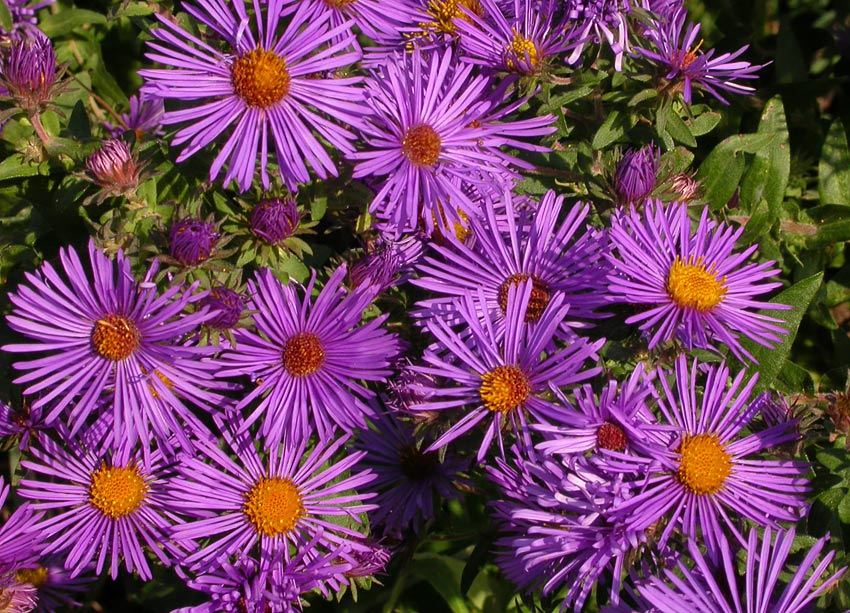
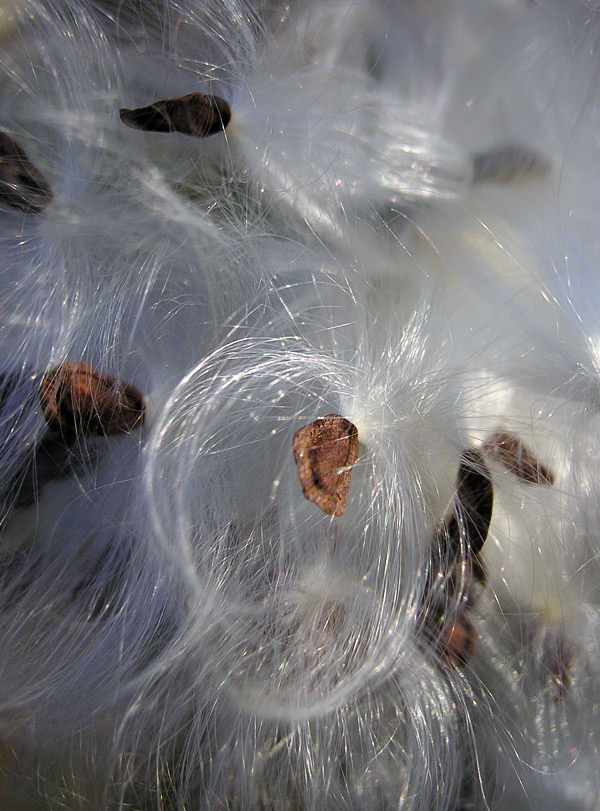
Despite feeling like something is missing from the fall season, there's still much nature to be awed by. The prairie parcel of Pheasant Branch Conservancy is speckled with patches of asters. Milkweed pods are liberating their seeds and when the breeze picks up it looks like giant snowflakes floating across the prairie.
Each night, more and more feathered visitors from the north pour into our fields and woodlots. On Saturday morning I lead a Madison Audubon field trip at the prairie parcel to see how many sparrow species we could find. We finished the 3-hour hike with White-throated, White-crowned, Fox, Lincoln's, Swamp, Song, Field, Clay-colored, Chipping, plus Dark-eyed Junco and Eastern Towhee.
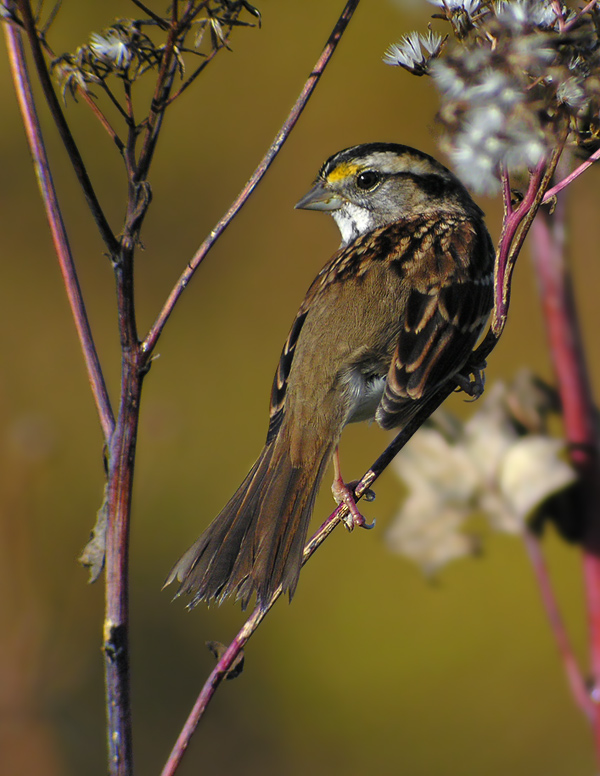
White-throated Sparrow
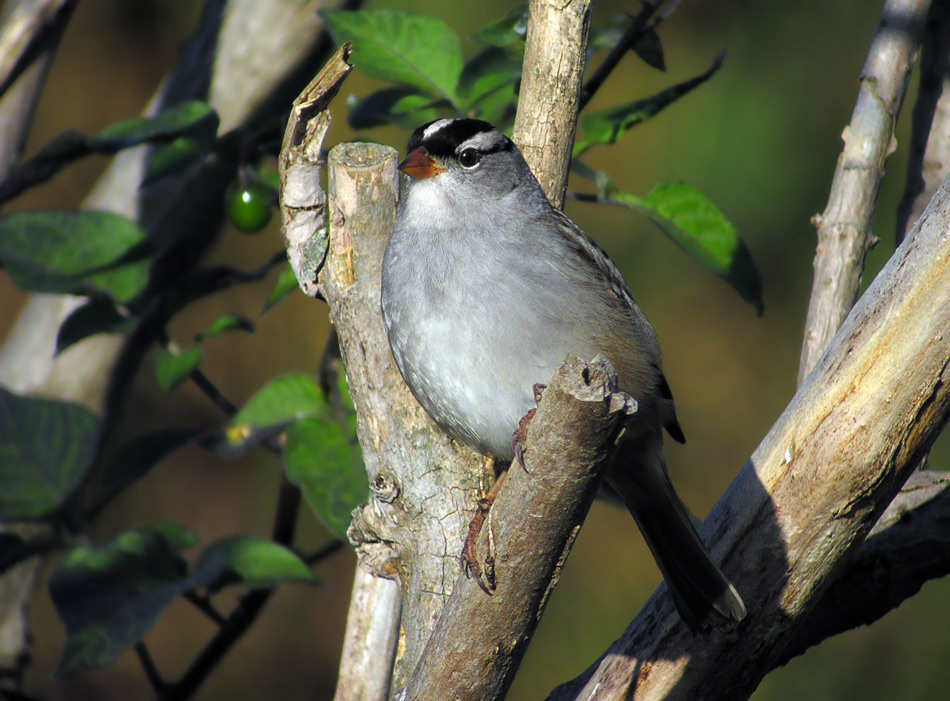
Sylvia Marek and I returned to the prairie yesterday and found nearly a hundred White-crowned Sparrows foraging along the gravel trail; I've never seen so many in a relatively small area. I generally associate these particular birds with cold weather, but temperatures were in the eighties on Saturday and Sunday. It is October, isn't it?
White-crowned Sparrow
Location: Pheasant Branch Observation date: 10/9/10 Number of species: 53
Canada Goose Wood Duck Ring-necked Pheasant Turkey Vulture Northern Harrier Red-tailed Hawk Sandhill Crane Killdeer Mourning Dove Red-bellied Woodpecker Yellow-bellied Sapsucker Downy Woodpecker Hairy Woodpecker Eastern Phoebe Blue Jay American Crow Horned Lark Black-capped Chickadee White-breasted Nuthatch Brown Creeper House Wren Golden-crowned Kinglet Ruby-crowned Kinglet Eastern Bluebird Hermit Thrush American Robin Brown Thrasher European Starling American Pipit Cedar Waxwing Tennessee Warbler Yellow-rumped Warbler Palm Warbler Common Yellowthroat Eastern Towhee Chipping Sparrow Clay-colored Sparrow Field Sparrow Fox Sparrow Song Sparrow Lincoln's Sparrow Swamp Sparrow White-throated Sparrow White-crowned Sparrow Dark-eyed Junco Northern Cardinal Indigo Bunting Red-winged Blackbird Common Grackle Brown-headed Cowbird House Finch American Goldfinch House Sparrow
It's hard to believe just how much summer retired during the past week; the evidence is all around us though most of us only witness it in colors of leaves. Only a week ago, there were still hundreds of warblers moving through the creek corridor at Pheasant Branch Conservancy, but yesterday they were replaced by Ruby-crowned and Golden-crowned Kinglets.
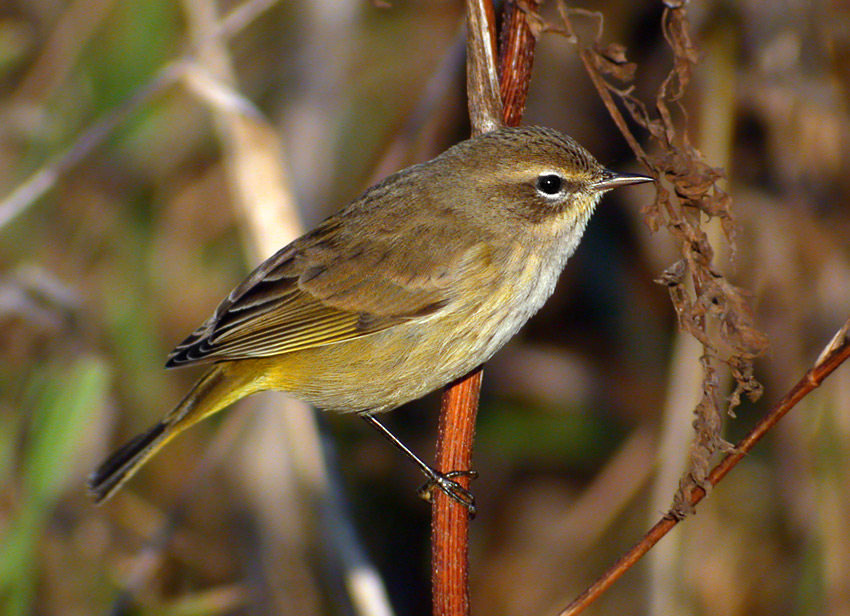
Palm Warbler
Though I managed to find a few Magnolias, a Black-throated Green, and an American Redstart, hearing the familiar chip-notes of Yellow-rumps in the canopy and spotting my first Palm Warblers of fall were definitive signs that warbler migration is drawing to a close in southern Wisconsin; we'll have to wait until spring for the next wave of large warbler flocks.
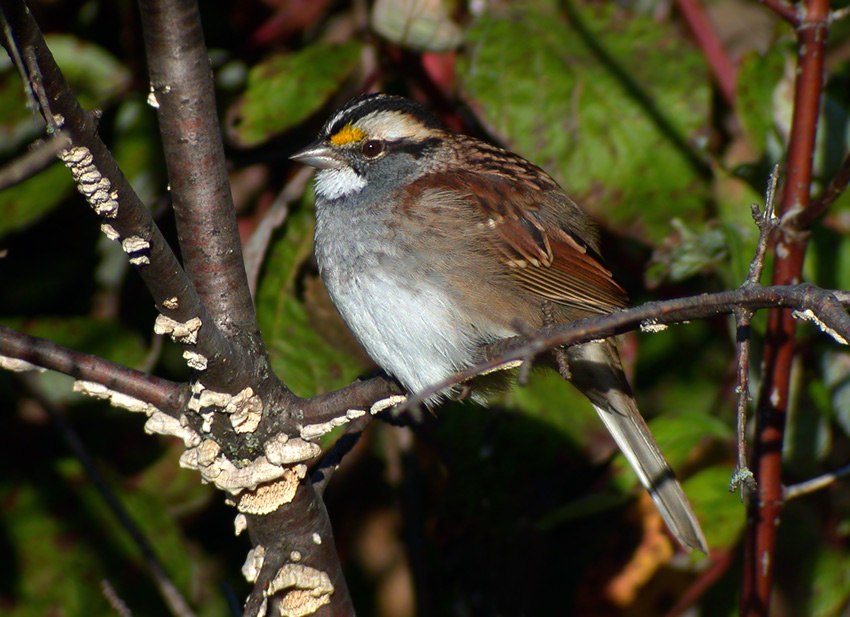
White-throated Sparrow
With the arrival the Fall Equinox, White-throated Sparrows are returning in prodigious numbers and are filling forests and woodlots throughout the area. Other sparrows at the conservancy this past weekend included White-crowned, Lincoln's, Song, and Chippies.
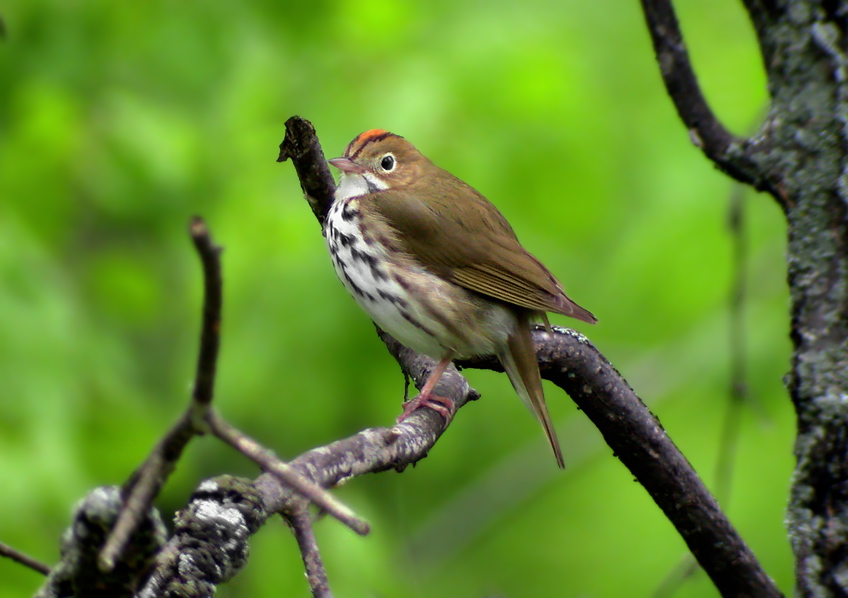
The daylight hours are already perceptibly shorter and we begin our farewells to summer. I love this time of year for all its exquisite sensory gifts from nature. An Ovenbird at Pheasant Branch Conservancy became my 20th warbler species for this fall migration. Labor Day weekend saw an impressive movement of American Redstarts through southern Wisconsin. On Saturday morning nearly every tree at the conservancy seemed to have at least one or two redstarts flitting through leaves for insects and many of the males were singing. Winds picked up late morning and brought most warblers closer to the ground to forage. My birding companions and I were spellbound with close-up views of Magnolia Warblers, Chestnut-sided Warblers, Black-and White Warblers, Northern Parula, and a gorgeous Golden-winged Warbler still in breeding plumage.
Jack in the Pulpit (fruit)
As we enjoyed the birds, three non-birders approached and asked what we were watching. I quickly pointed out the Golden-winged because it was close, at eye level, and out in the open. Even without binoculars they were stunned by its beauty. A Blue-gray Gnatcatcher appeared, then a Black-and-white Warbler, followed by a Magnolia Warbler and American Redstart. “The woods are full of birds!” I said. As if her eyes were suddenly opened, one woman responded in astonishment, “Gosh, we would have just walked on by not even noticing them!” The three seemed sincerely interested in birds, so I gave a brief version of the story of migration. I won't be surprised if the next time I see them on the trail they'll be aiming binoculars into the woods.
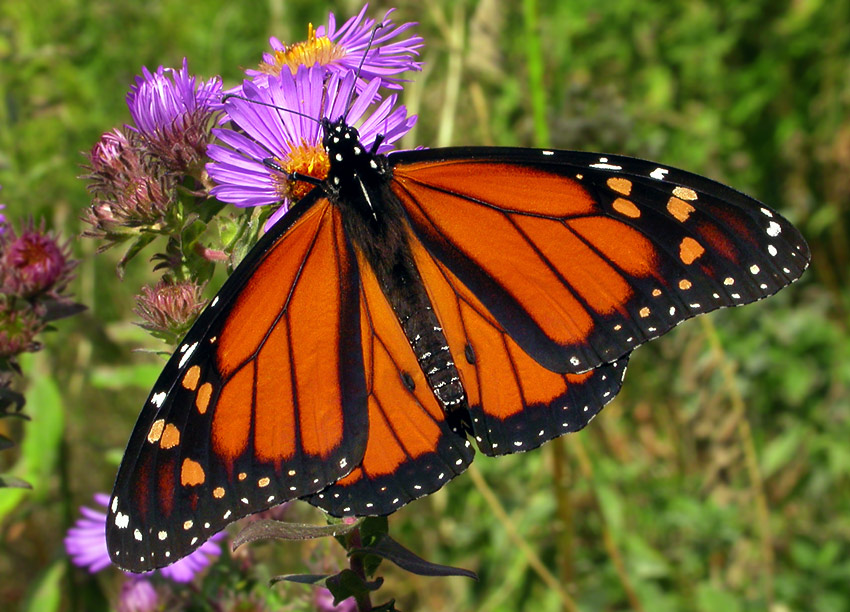
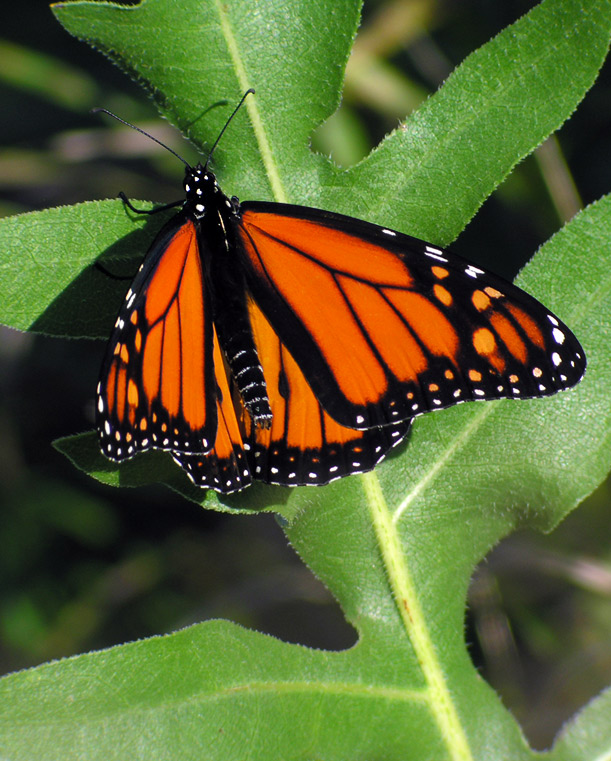
Monarch Butterfly
After breakfast at the Prairie Cafe, I visited the prairie parcel for the first time in over a month. The kingbirds and orioles have left, only a few yellowthroats and sedge wrens remain. The fields were teeming with butterflies, especially Monarchs, which appear to be having a good summer season.
Monarch Butterfly Caterpillar
The disparate coloration between caterpillar and butterfly gave me pause to drift in thought how forces of natural selection must work independently on each of them. I sat on a bench overlooking the prairie and listened to goldfinch chatter for a long time.
"It's difficult to believe one would not see more by extending the journey, but, in fact, experience proves that the longer a single locality is studied the more is found in it."
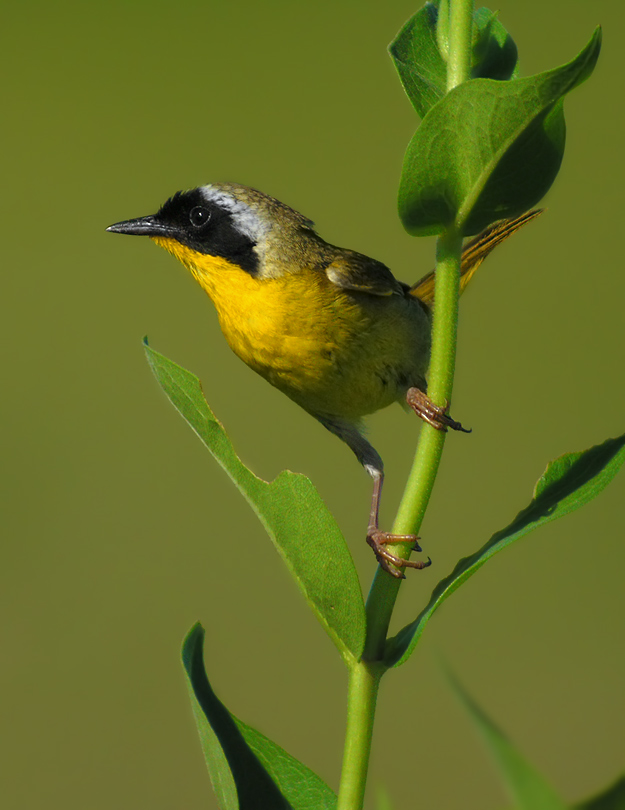
Common Yellowthroats are as numerous as I've ever observed at Pheasant Branch Conservancy; their witchity witchity witchity songs dominate the grassland. With worn plumage, the adult males don't look quite as exquisite as they did in spring, but this one wasn't as bedraggled as most I encountered during my stroll.
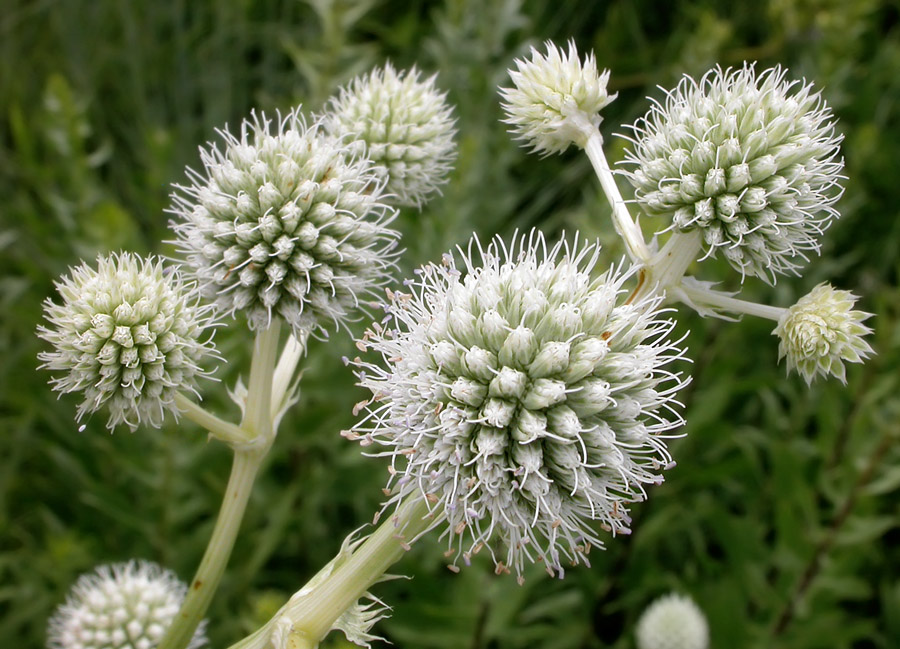
Rattlesnake Master
I think it would be interesting to experience the seasonal progression and transformation of a prairie from the perspective of a bird. When songbirds return in April and May, the grasses and plants are barely a foot tall; there are few places to hide and perch. But by the time juveniles fledge, it's a veritable micro-jungle; their habitat increases in size by depth. Birds take advantage of summer's growth by perching atop tall wildflowers (especially Compass Plant) when checking for danger or to hold territories.
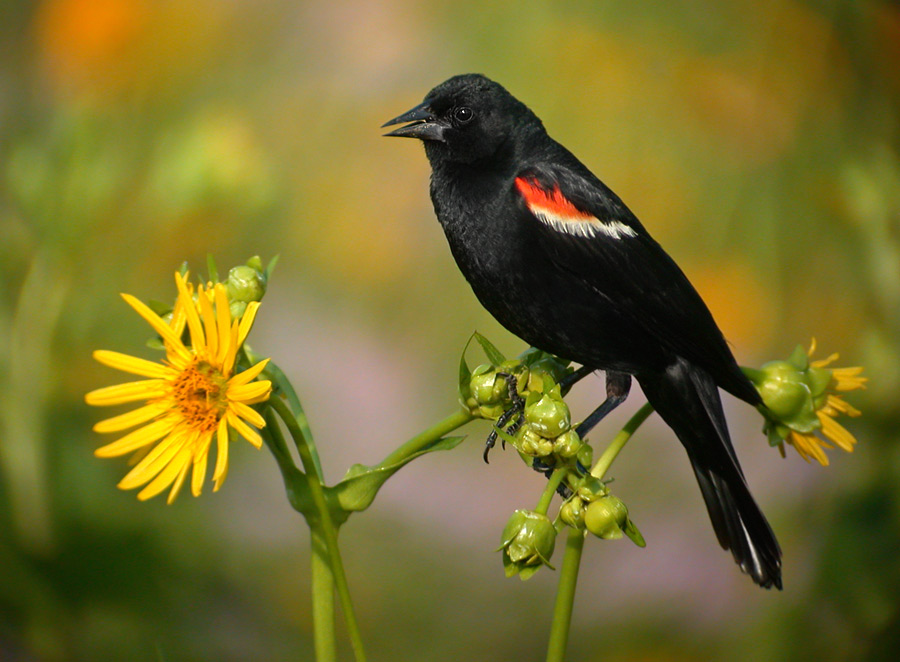
Red-winged Blackbird
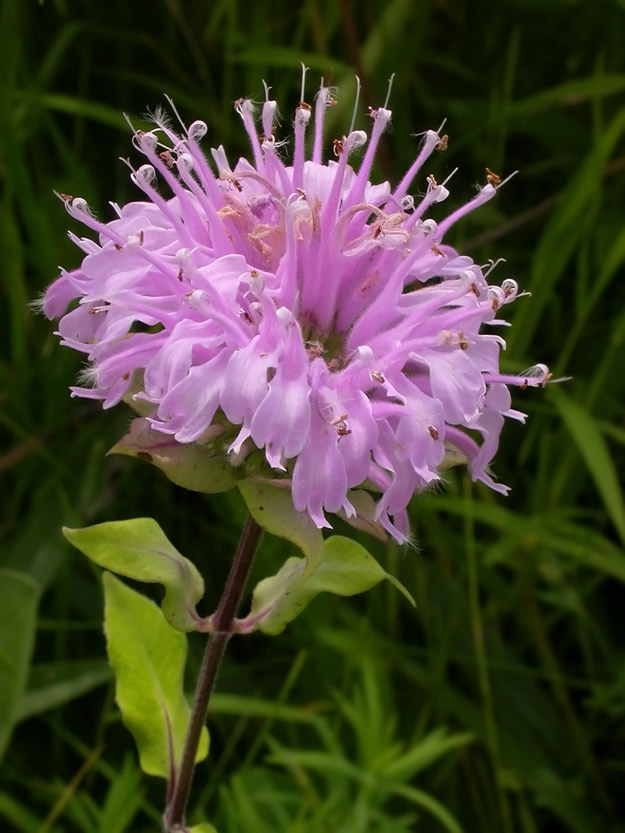
Bergamot
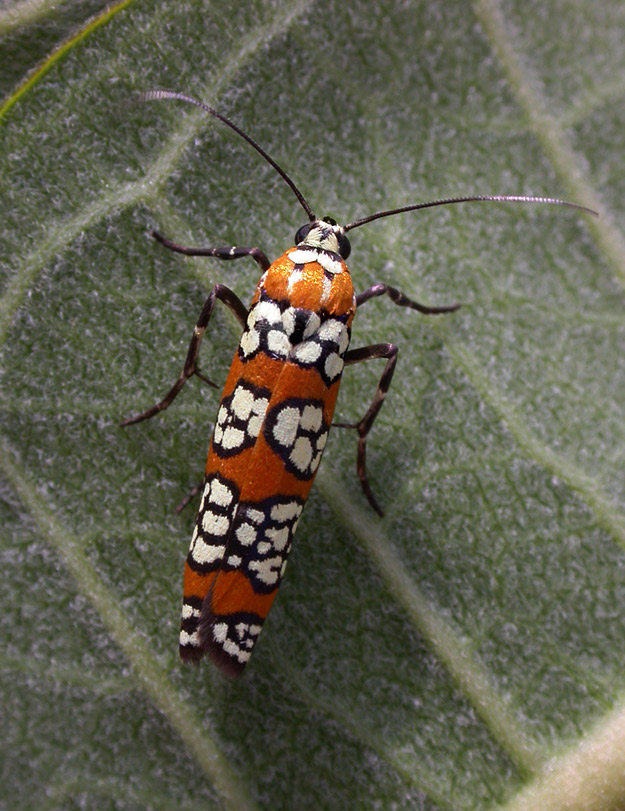
Carried by a gentle breeze, the fragrance of wildflowers is intoxicating. The fields are covered with Black-eyed Susan and Bergamot. Milkweed is doing exceptionally well this summer, which is good for the Monarchs. I like to inspect the plants carefully to see what might be hiding under a leaf. This time my efforts rendered this colorful Ailanthus Webworm Moth.
Ailanthus Webworm Moth
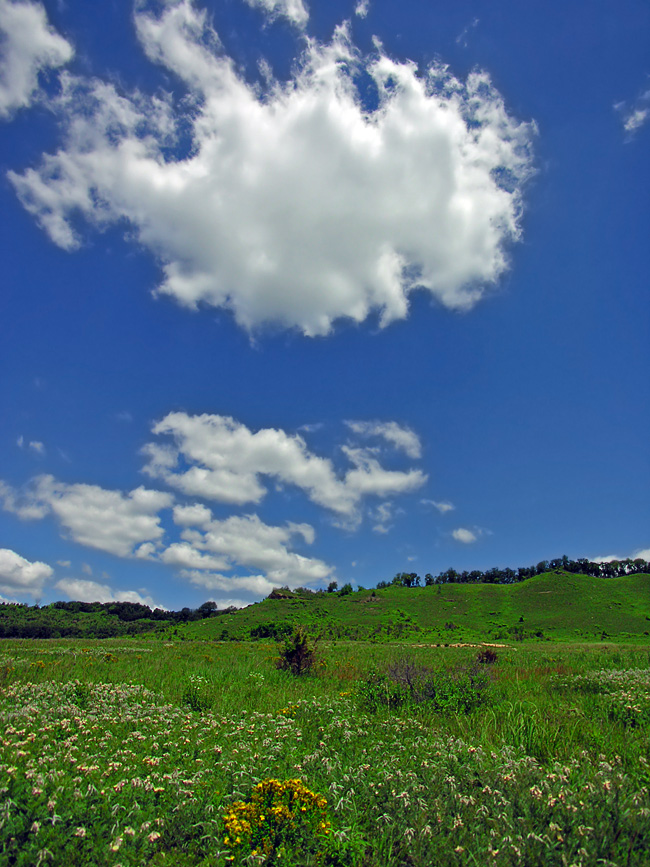
Taking a short break atop the drumlin, I draw in the panoramic scene overlooking the prairie and marsh. At least for one part of this nutty world, everything I can sense with my eyes and ears is as it should be. But then a lone Killdeer call reminds me of fall migration, what it may mean for birds that winter along the gulf and will be arriving soon. What we've done is heartbreaking and unforgivable, but I try to do my best to suppress despair and enjoy the good day that will help progress toward healing.
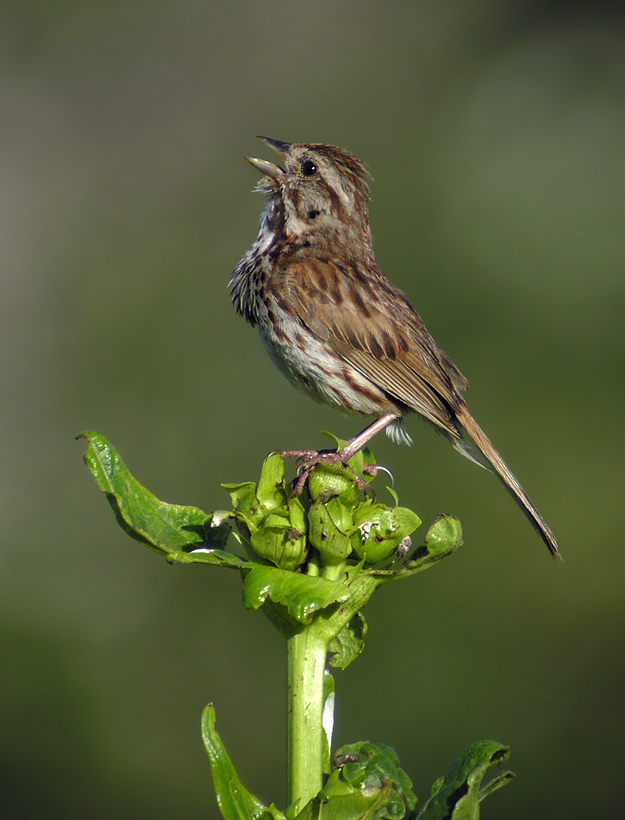
Song Sparrow
Location: Pheasant Branch Observation date: 7/10/10 Number of species: 49
Mallard Ring-necked Pheasant Great Blue Heron Red-tailed Hawk Sandhill Crane Killdeer Mourning Dove Ruby-throated Hummingbird Belted Kingfisher Red-bellied Woodpecker Downy Woodpecker Hairy Woodpecker Eastern Wood-Pewee Willow Flycatcher Eastern Phoebe Great Crested Flycatcher Red-eyed Vireo Blue Jay American Crow Tree Swallow Barn Swallow Cliff Swallow Black-capped Chickadee Tufted Titmouse White-breasted Nuthatch House Wren Sedge Wren American Robin Gray Catbird European Starling Cedar Waxwing Yellow Warbler Common Yellowthroat Chipping Sparrow Clay-colored Sparrow Field Sparrow Savannah Sparrow Song Sparrow Swamp Sparrow Northern Cardinal Indigo Bunting Dickcissel Red-winged Blackbird Eastern Meadowlark Common Grackle Brown-headed Cowbird Baltimore Oriole House Finch American Goldfinch
We've reached the end of a rather hot and rainy June. Days off work with good weather have been a little hard to come by, so my nature outings were fewer this month. Spring Green Preserve has an incredible diversity and richness of subjects to offer the naturalist and nature photographer, making it an easy destination choice on a day off with gorgeous weather. I rave about Spring Green frequently and my blog readers know it's of my favorite natural areas in Wisconsin; I'm very thankful it's close to Madison.
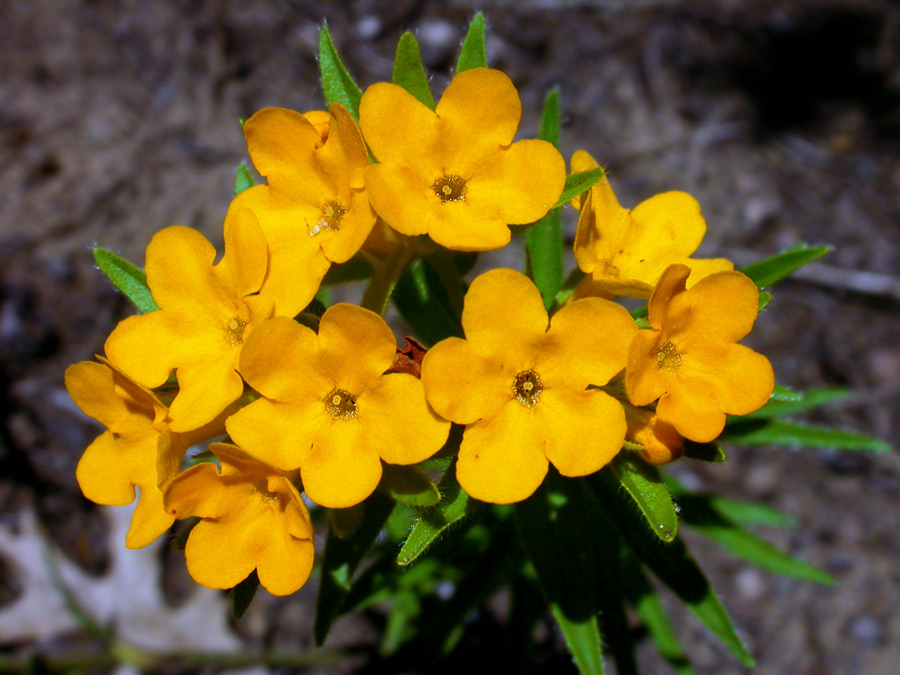
Puccon
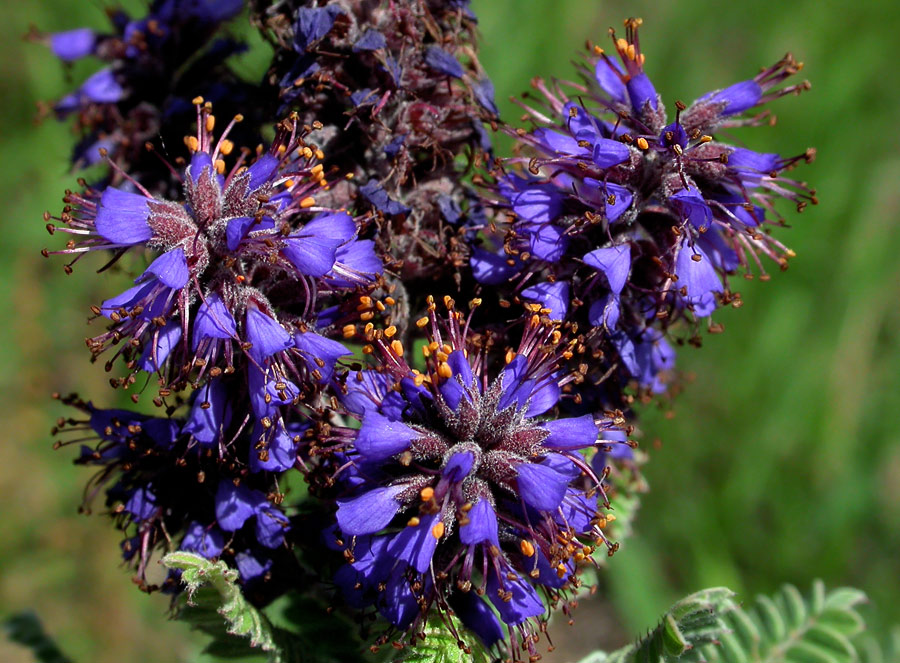
Throughout spring, summer, and fall, the prairie transfers from one accent to another. Sometimes yellow prevails against the green, other times it's blue or purple. St. John's Wort is wrapping up, so too has Goats Rue, and the Prickly Pear Cactus bloom is nearly over. Still, some early June wildflowers linger. Now flowering Lead Plant has the stage. Though it seems rather diminutive at a quick glance, it's a pretty astonishing flower when viewed up close.
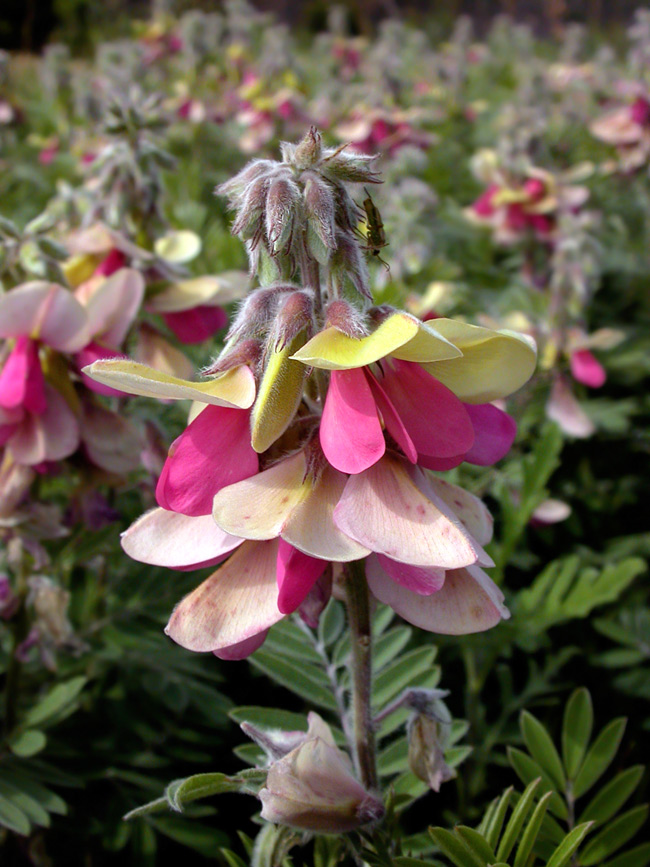
Lead Plant
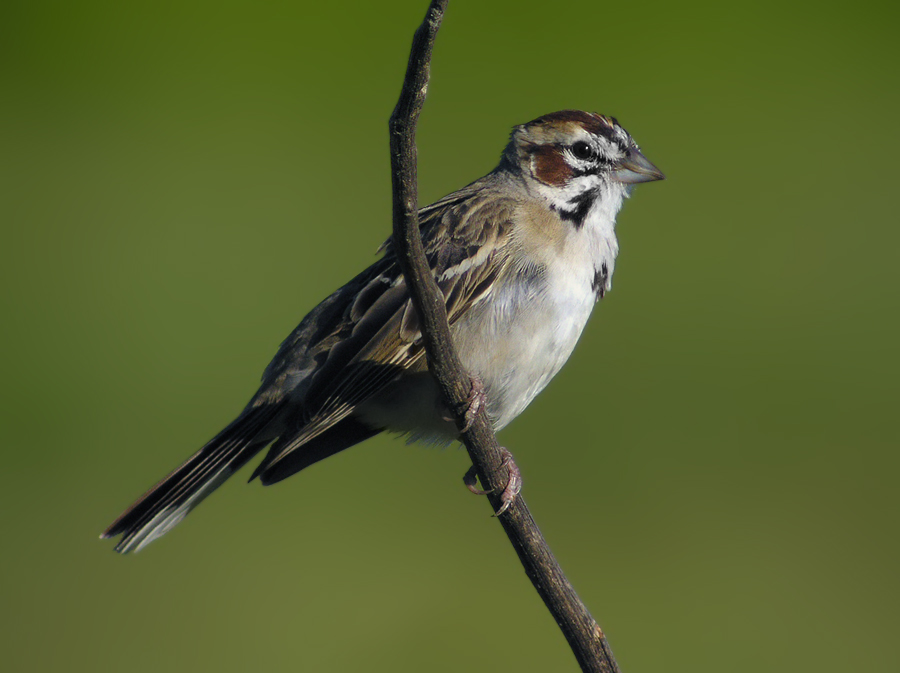
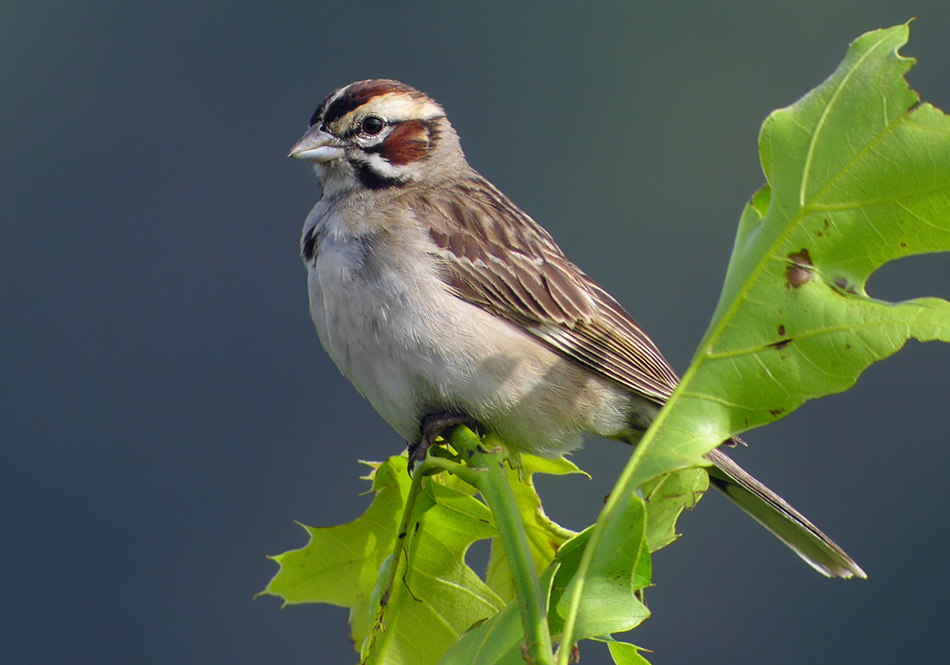
Lark Sparrow
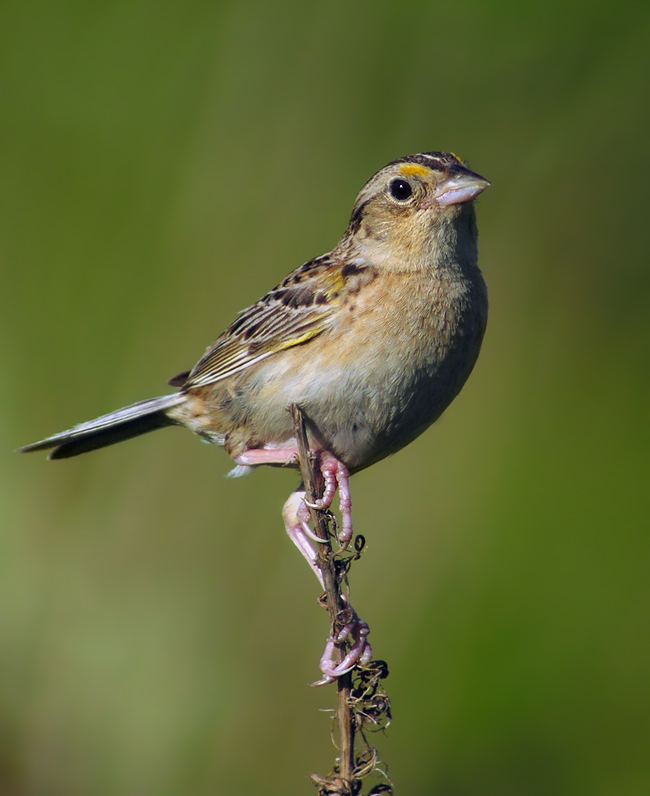
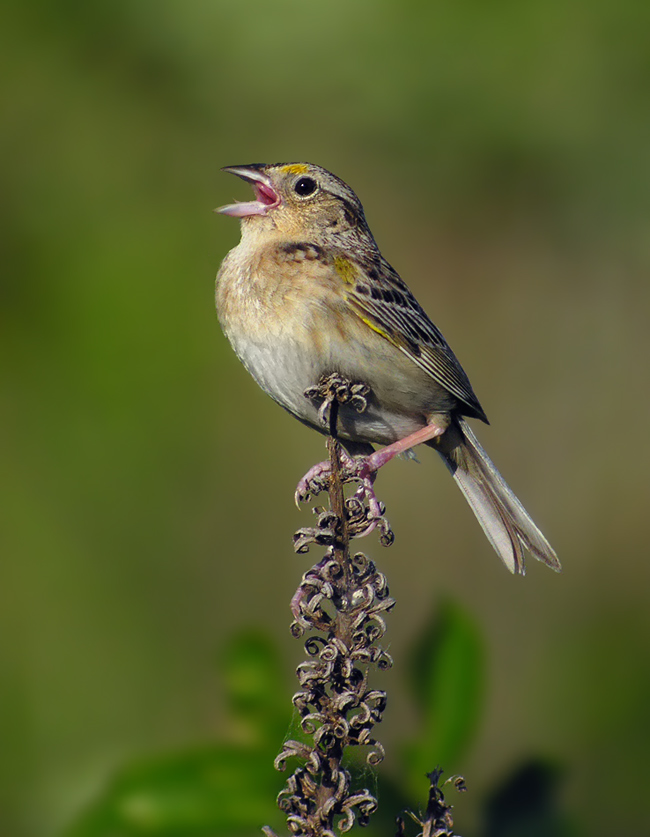
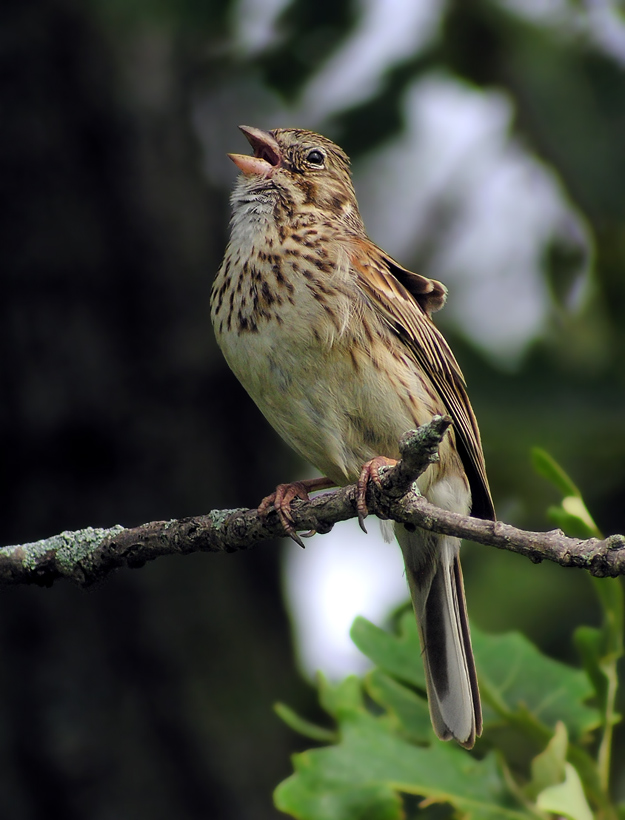
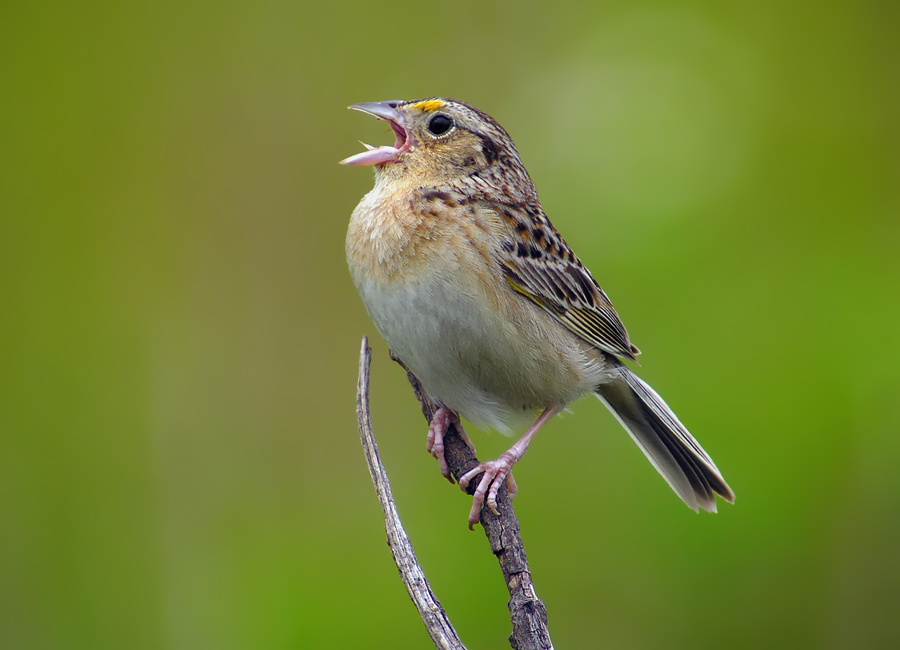
The most obvious birds of the prairie are sparrows: Field, Grasshopper, Vesper, and Lark Sparrows. It's nice that there seems to be a bumper crop of Grasshopper Sparrows this year. The males are still busy defending territories with song, which gave me plenty of opportunities to capture nice portraits of them.
Grasshopper Sparrow
Grasshopper Sparrow
Vesper Sparrow
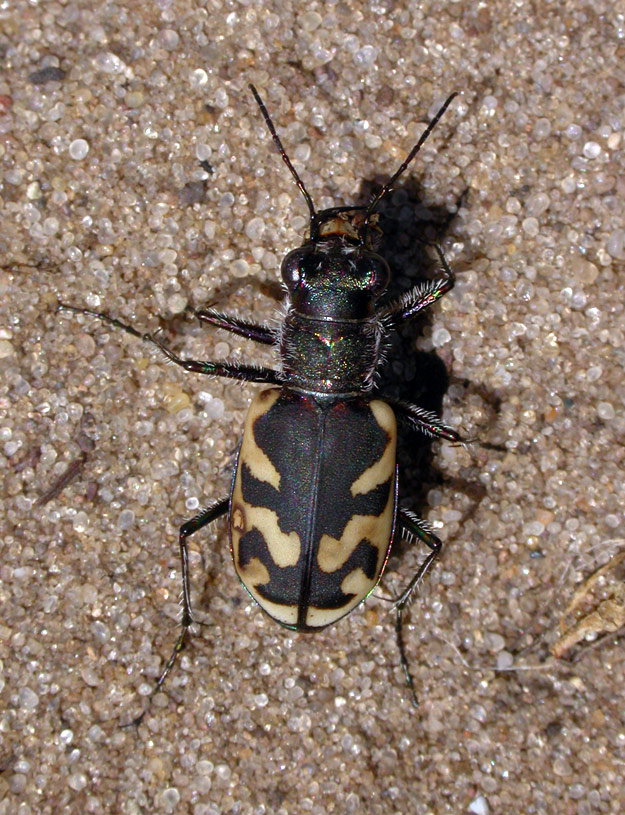
When walking the sandy trails at Spring Green Preserve, don't forget to look down. There are lots of interesting insects like Tiger Beetles, Velvet Ants, Dung Beetles, and Robber Flies just in front of your feet as you walk.
Beautiful Tiger Beetle
Robber Fly
I think Robber Flies are frighteningly cool insects that resemble something out of sci-fi horror flick with nasty behavior to boot. They have a spike-shaped proboscis that they jab into their prey and use it to inject saliva containing a mix of neurotoxins and enzymes that paralyze and digest the insides. Nice, huh? The devilish fly then sucks out the liquefied meal through its proboscis.
The Summer Solstice is tomorrow morning at 6:28 AM. July unleashes the Dog Days and the first southbound migratory birds (mainly shorebirds) will begin their big journey. Yeah, the days will start getting shorter again, but don't despair just yet! In Madison the sun will set tonight at 8:28 PM, but even by the end of July it will set only a mere 18 minutes earlier. Unfortunately, things start to speed up in August with a 7:27 PM sunset by the 31st. From there we go into a bit of a sharp dive so that by the end of October the sun sets at 5:47 PM. We fall back and hour the first Sunday in November, but we know what happens by early December; our morning and evening commutes are in the dark. This is when to experience despair! Take the summer songbirds away, throw a little snow on top, and you have all the ingredients for a case of winter blues. However, I still have a lot of summer photography to get in before the leaves begin to turn.
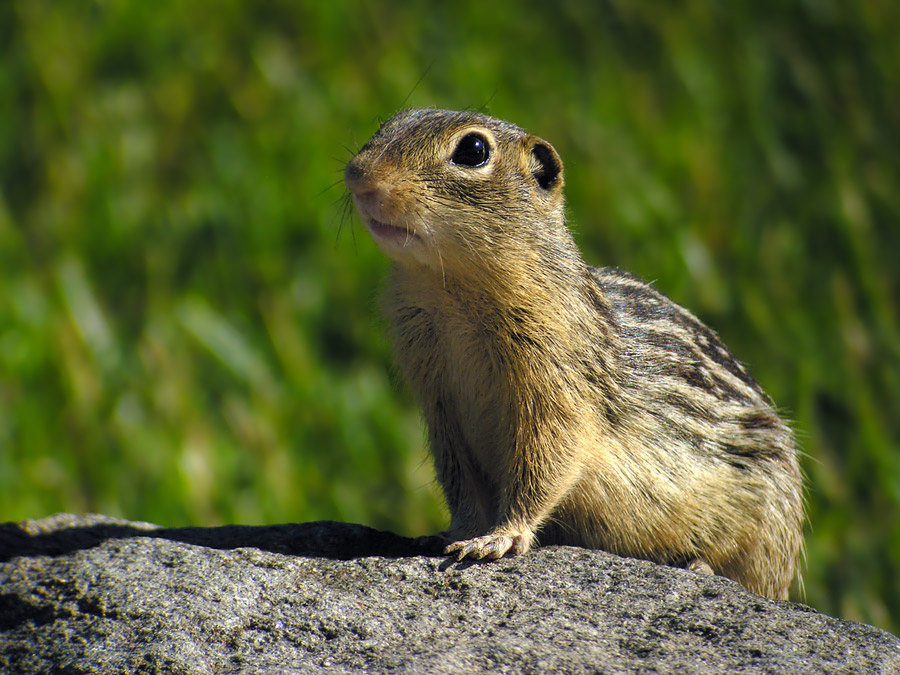
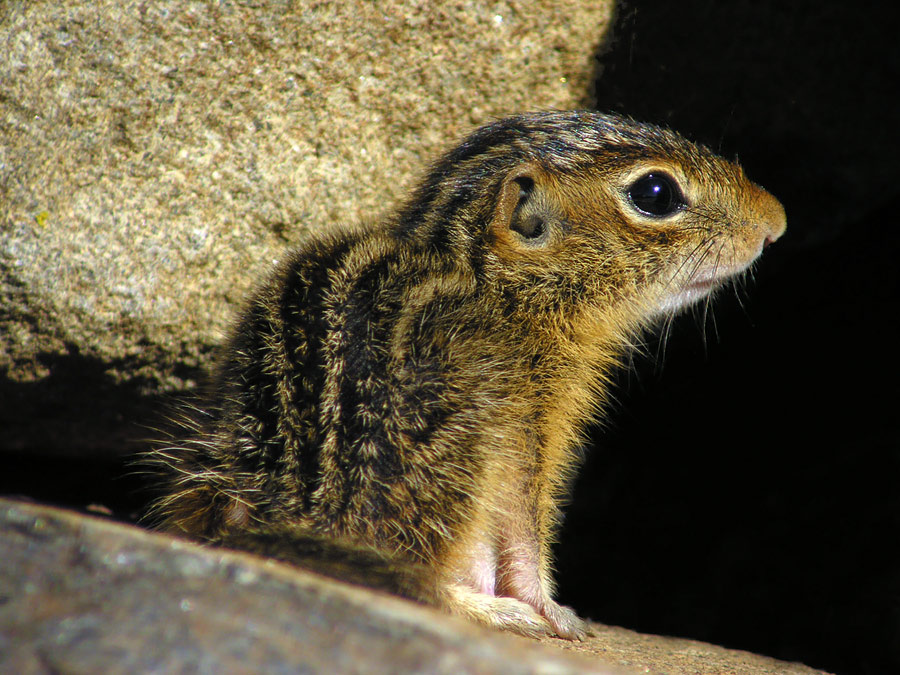
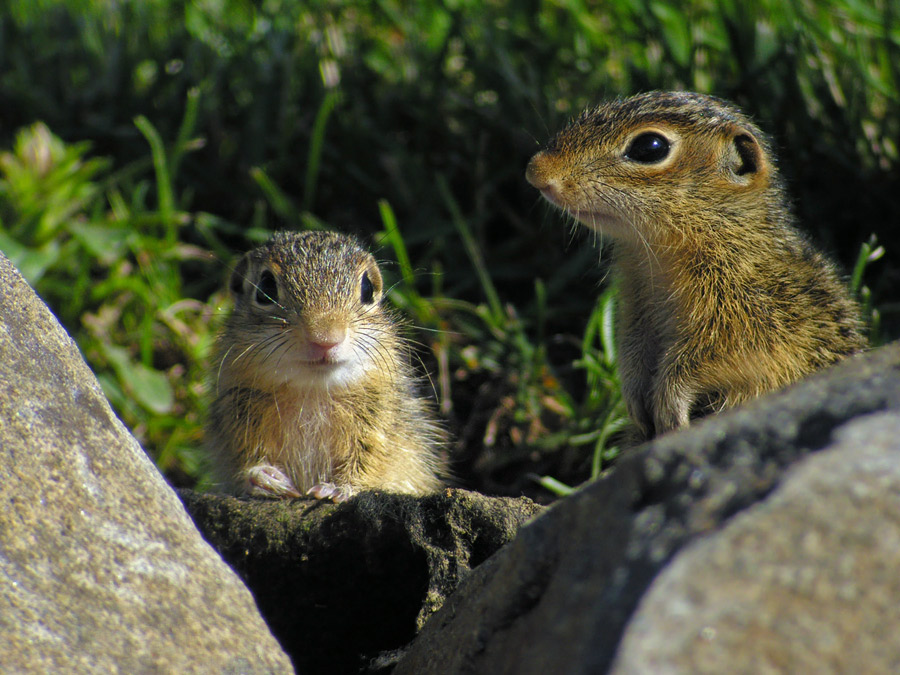
I spent several hours over the weekend exploring various natural areas around the Madison area. I didn't have to travel any further than the front of my apartment building to get these cool photographs of Thirteen-lined Ground Squirrels. Perched on top of a rock, the mother ground squirrel (above) attentively gauged the situation for threats as I digiscoped her pups (below). The little ones seemed innately curious but already have a keen sense of fear and vanished the moment I stepped on any part of sidewalk adjacent to the rock wall where their burrows are.
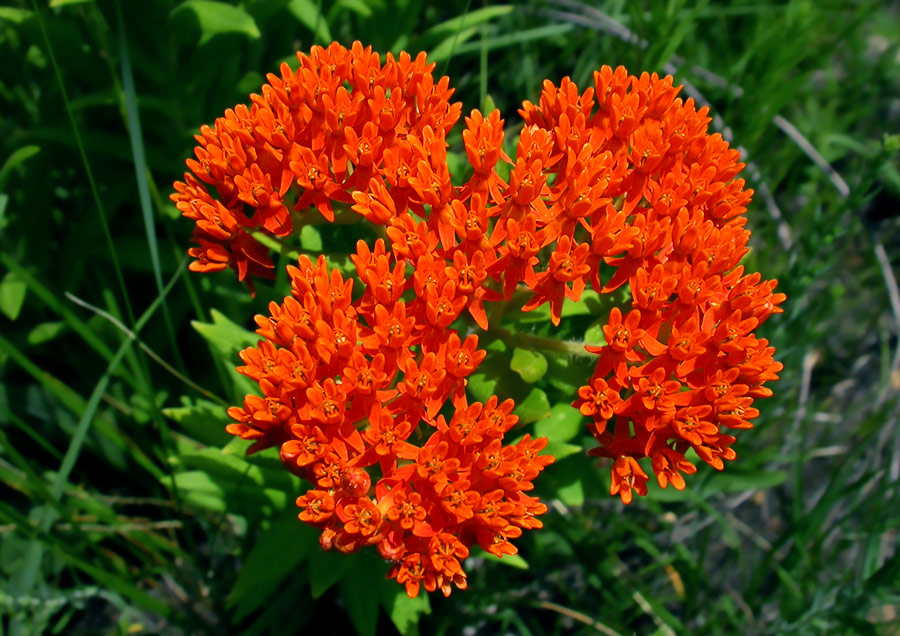
Butterfly Milkweed
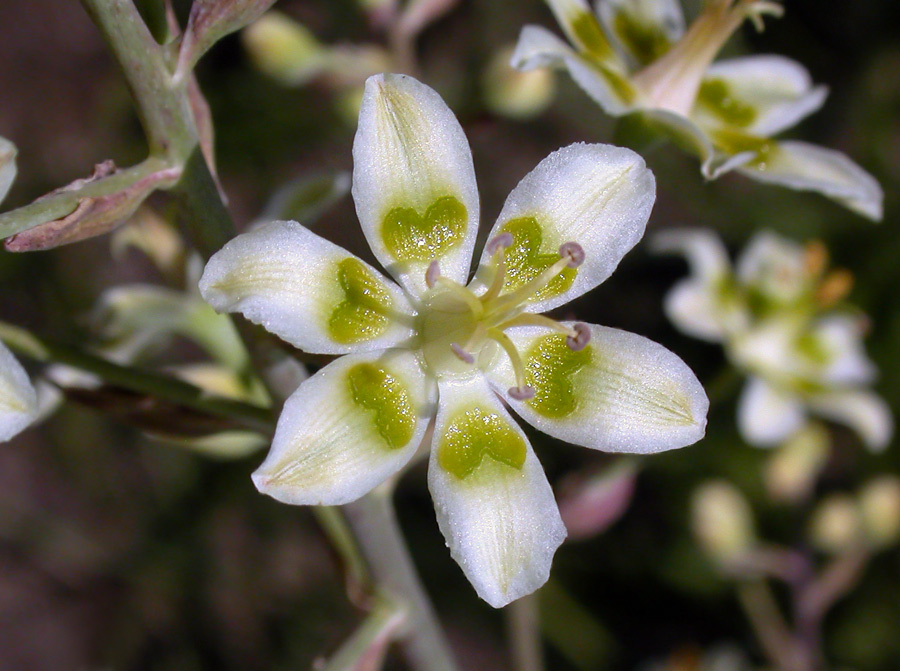
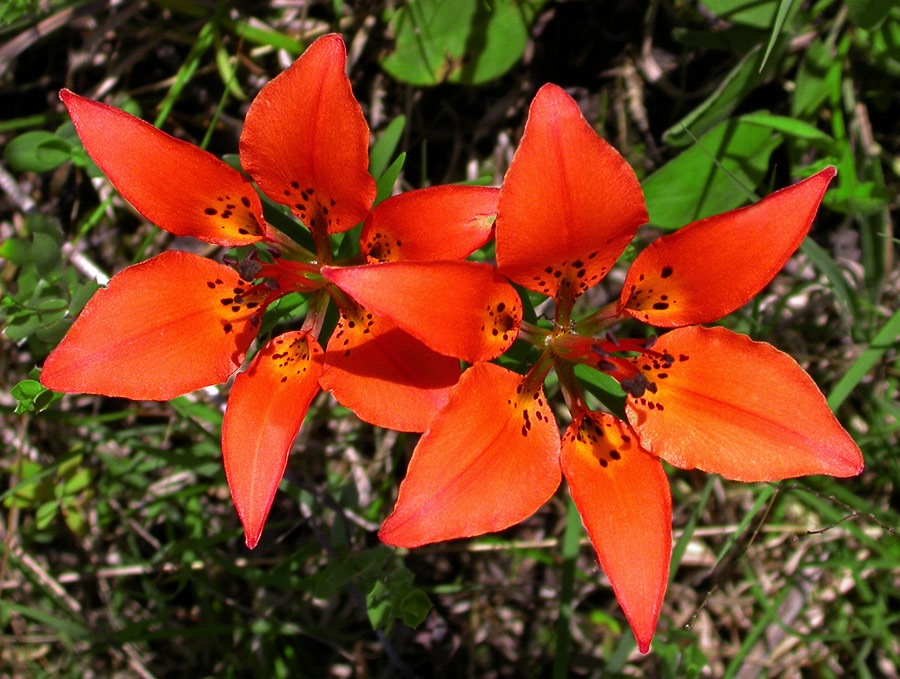
Wood Lily
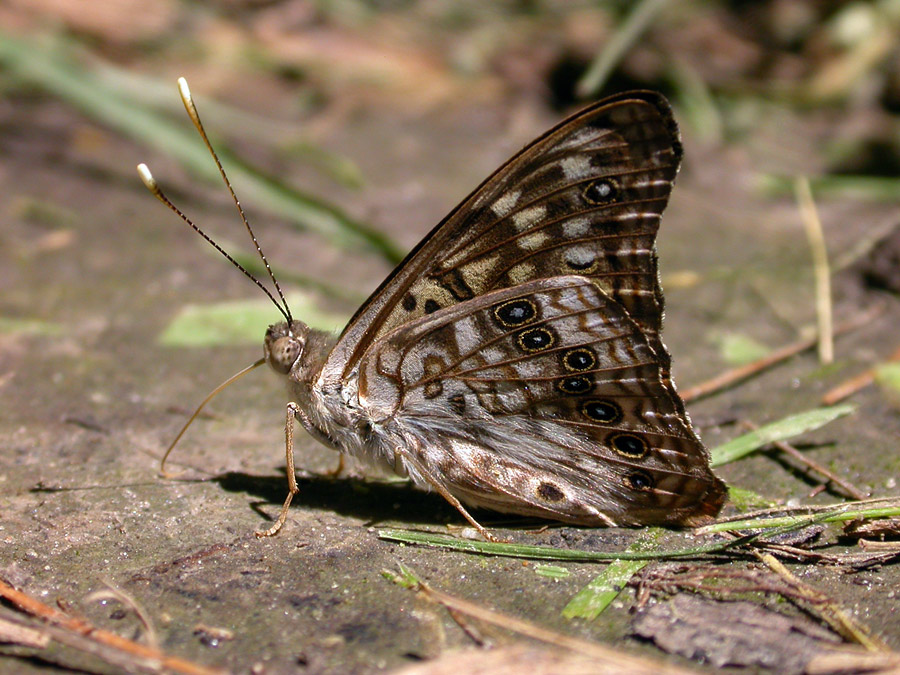
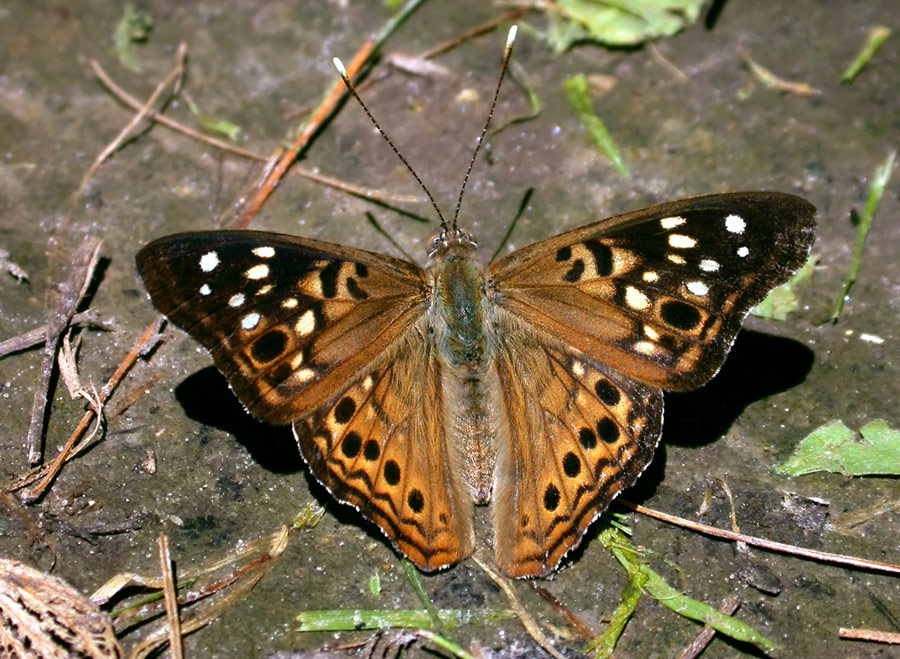
Meanwhile at nearby prairies, Butterfly Milkweed is nearing peak while Wood Lilies are beginning to fade away. Wildflowers were adorned with Black Swallowtails, Aphrodite Fritillaries, and Monarch Butterflies. A Hackberry Emperor was using its proboscis to gather moisture from the damp dirt trail:
Hackberry Emperor
Hackberry Emperor
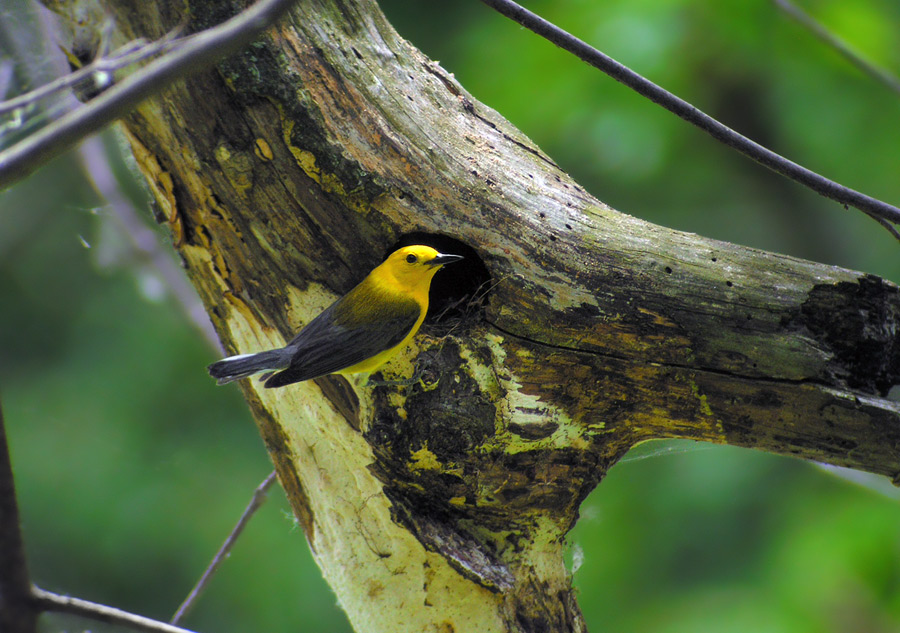
For all the incredible beauty I witnessed this spring, this one will be remembered for our exceptional views of Prothonotary Warblers. Once again, Sylvia, Dottie, and I enjoyed a pair of these fantastic birds at a nest cavity on Saturday afternoon.
It was difficult to ascertain what stage they were at, but only the male seemed to be bringing food to the cavity for the female. She spent most of her time on the nest, most likely incubating eggs. Still, this seems sort of late so I wonder if it's a second brood or attempt following a failure.
"Limit the use of recordings and other methods of attracting birds, and never use such methods in heavily birded areas, or for attracting any species that is Threatened, Endangered, or of Special Concern, or is rare in your local area."
I was somewhat dismayed that a birder played a Prothonotary Warbler song to get a better view of the male. There was no legitimate reason to do this around nesting birds and was completely unnecessary as they were giving plenty of good views if one merely stood still for a while. Viewing, capturing stills, and shooting video through my spotting scope was a very rewarding way to document these beautiful warblers without causing much of an imposition on them.
I thought of my friends who never take walks... "for there was nothing to see." I was amazed and grieved at their blindness. I longed to open their eyes to the wonders around them; to persuade people to love and cherish nature.
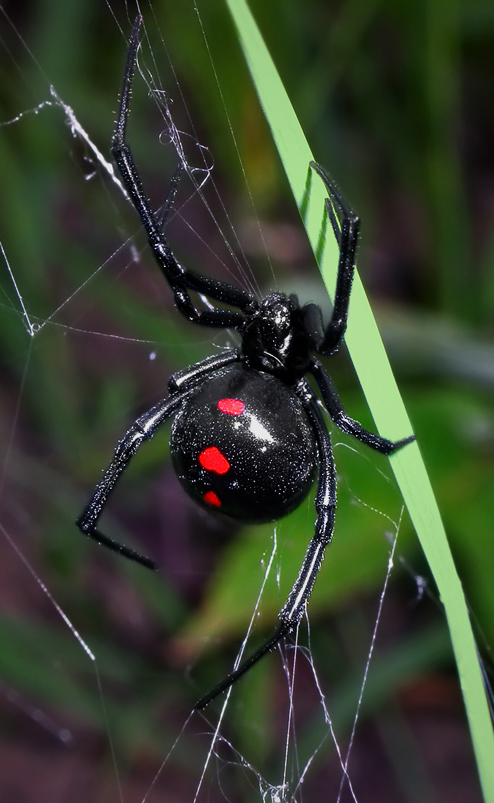
On Saturday I co-led a field trip for The Nature Conservancy’s "50th Anniversary in Wisconsin" at Spring Green Prairie, where the uncommon and unusual is the norm. Whenever I visit this particular natural area I expect to be dazzled by an array of grassland birds, colorful wildflowers, and fascinating insects, but seeing a female Northern Black Widow (Latrodectus variolus) was a highlight I won’t soon forget.
Northern Black Widow
Having never encountered this species in the wild before, I felt a little apprehensive bringing my macro camera lens within a few inches away from her. My apprehension grew to fearful skittishness (I used to have arachnophobia) when a field trip participant tried to get a better glimpse by moving grass out of the way. Unfortunately, it was a clump that a part of the widow's web was anchored to; she scampered for cover eerily quicker than I thought possible!
Dwarf Dandelion
It was overcast most of the day, but after lunch I saw a break in the clouds and returned to capture some of the prairie's gems during fragmented moments of sunlight. The break didn't last as long as I would have liked, but I managed to get some nice images of a few grassland sparrows and wildflowers.
Grasshopper Sparrow
I don't think I've ever been to another prairie where Grasshopper Sparrows are more plentiful; their insect-like trills and jumble of closing notes were ubiquitous throughout the day. Many sparrows perched on bare sticks or posts with caterpillars dangling from their beaks, uttering voices of concern for what's concealed in the grass below, while other birds protected territories with song.
Grasshopper Sparrow
Goat's Rue
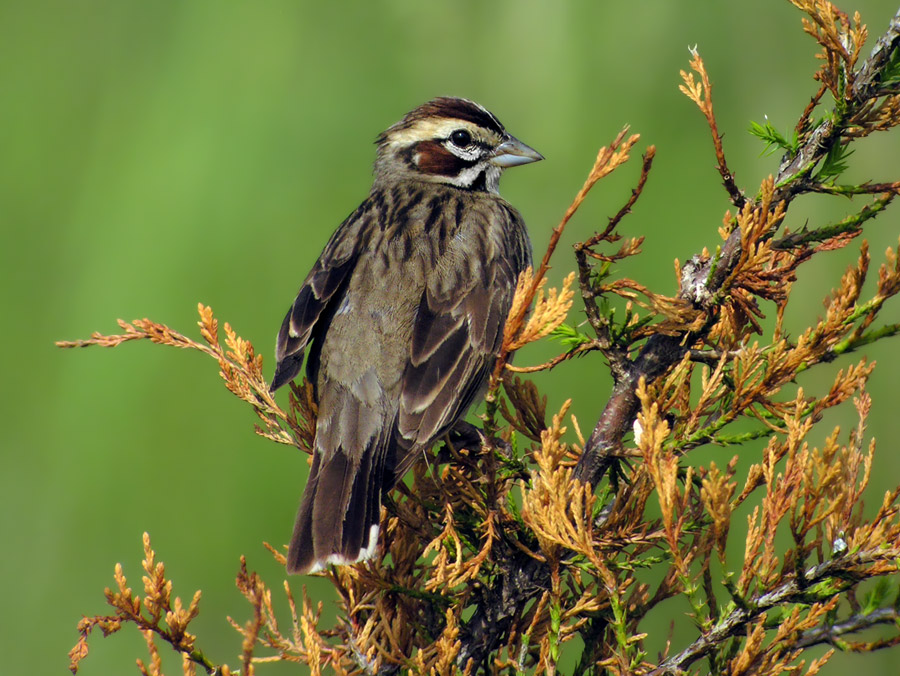
Lark Sparrow
Lark Sparrows can be counted on for stunning bird portraiture and Saturday was no exception. Visually and behaviorally, I find them to be the most showy and dazzling sparrow of the prairie.
Lark Sparrow
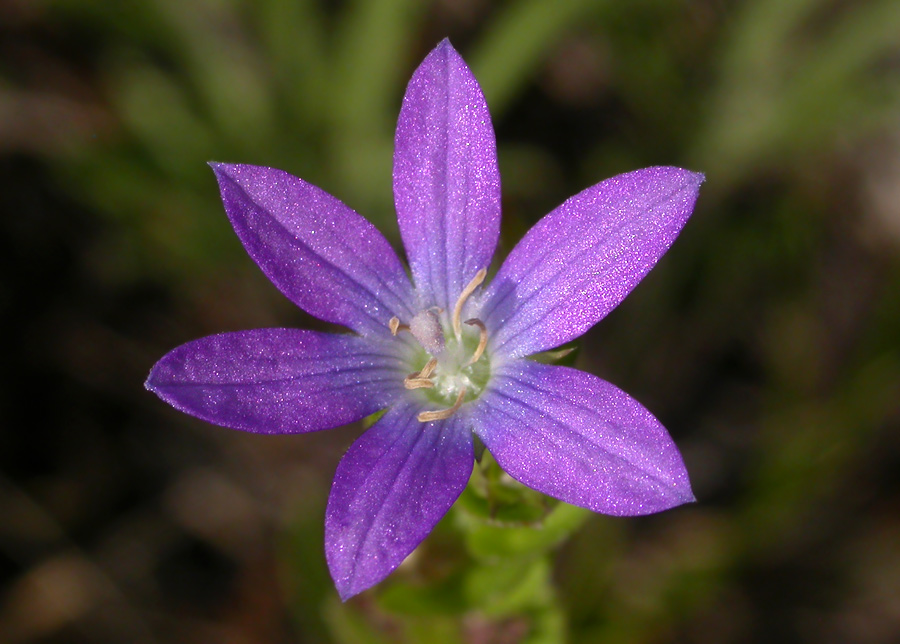
Any guesses on identification of this wildflower? I'm pretty sure I know what it is, but I admit being thrown off at first glance. The unusual is the norm!
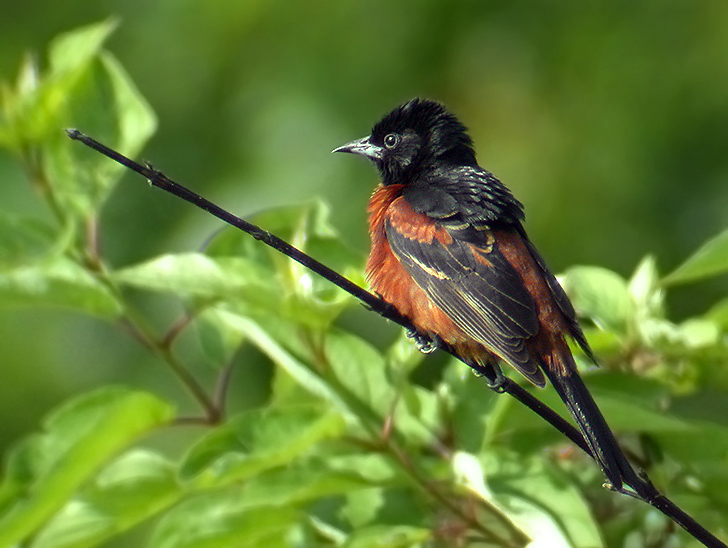
Orchard Orioles have taken up residence at the oak savanna on the prairie parcel of Pheasant Branch Conservancy. I led a group for Madison Audubon there on Thursday evening and found 46 bird species for the participants. Though I located a single Sedge Wren earlier in the morning during a pre-field trip scouting mission, there were none heard or seen during our evening outing. Normally there are over a dozen singing males by this time. The wrens are probably sparser due to the extensive prairie burn conducted by The Nature Conservancy and US Fish and Wildlife Service earlier this spring.
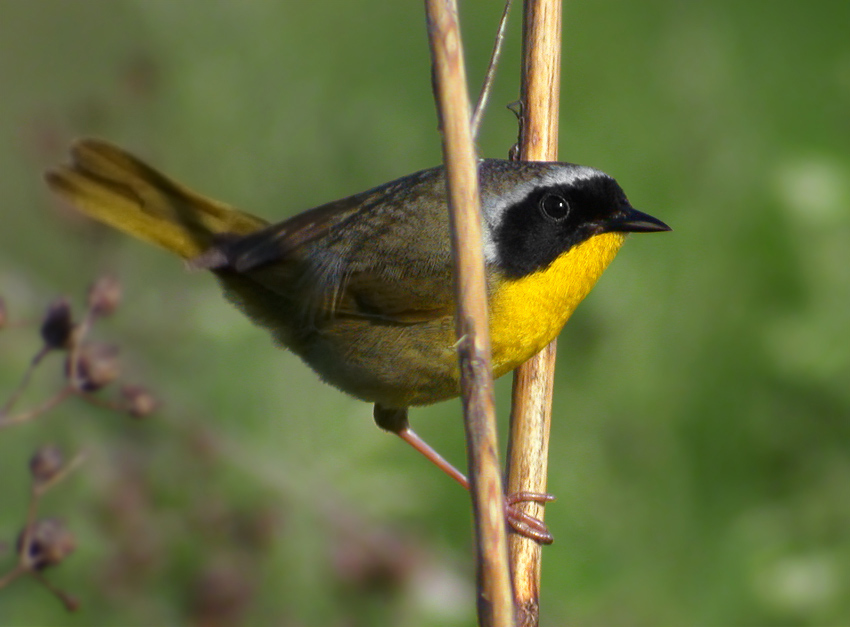
Common Yellowthroat
Common Yellowthroats were super abundant, boldly proclaiming their presence with witchity-witchity-witchity songs. A few of them performed their flight song/aerial display, which I find enormously entertaining. With its body fluttering and tail bobbing, the yellowthroat does a straight-line vertical flight to a height of about 20 to 30 feet. At the apex, it belts out its song followed by an intense snappy trill, and then quivers its wings during its floating decent back to the grass. The one in this photograph, however, is simply checking me out and assessing my threat level.
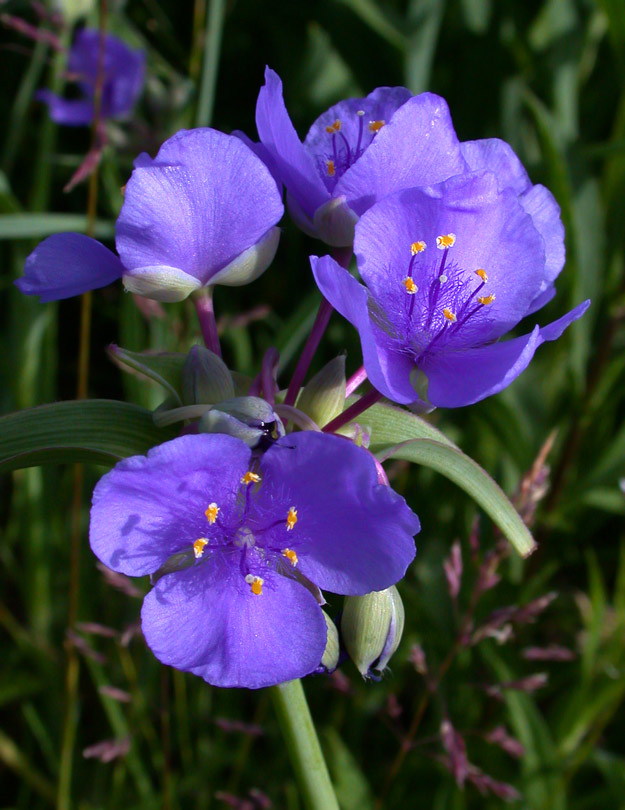
Spiderwort
The prairie is rather green and plain at the moment, but in another month it ought to resemble an extravagant oil painting possessing all the colors of a rainbow. I did find a few patches of Spiderwort, one of my favorite native wildflowers.
So, another memorable May is nearly over, but has been preserved in experiences, photographs, and stories. During June I will once again concentrate on spending more time at local prairies, photographing grassland bird species, wildflowers, insects, and other scenes of natural beauty.
"Natural influences work indirectly as well as directly; they work upon the subconscious, as well upon the conscious, self. That I am a saner, healthier, more contented man, with true standards of life for all my loiterings in the fields and woods, I am fully convinced."
Location: Pheasant Branch Observation date: 5/27/10 Number of species: 46
Canada Goose Wood Duck Mallard Ring-necked Pheasant Green Heron Sandhill Crane Killdeer Ring-billed Gull Rock Pigeon Mourning Dove Chimney Swift Ruby-throated Hummingbird Red-bellied Woodpecker Hairy Woodpecker Northern Flicker Eastern Wood-Pewee Alder Flycatcher Willow Flycatcher Eastern Phoebe Eastern Kingbird Blue Jay American Crow Tree Swallow Barn Swallow Black-capped Chickadee House Wren American Robin Gray Catbird Brown Thrasher Cedar Waxwing Yellow Warbler Common Yellowthroat Clay-colored Sparrow Field Sparrow Song Sparrow Swamp Sparrow Northern Cardinal Red-winged Blackbird Eastern Meadowlark Common Grackle Brown-headed Cowbird Orchard Oriole Baltimore Oriole House Finch American Goldfinch House Sparrow