








Showing posts with label Insects. Show all posts

Tuesday, September 7, 2010

The Woods are full of Birds


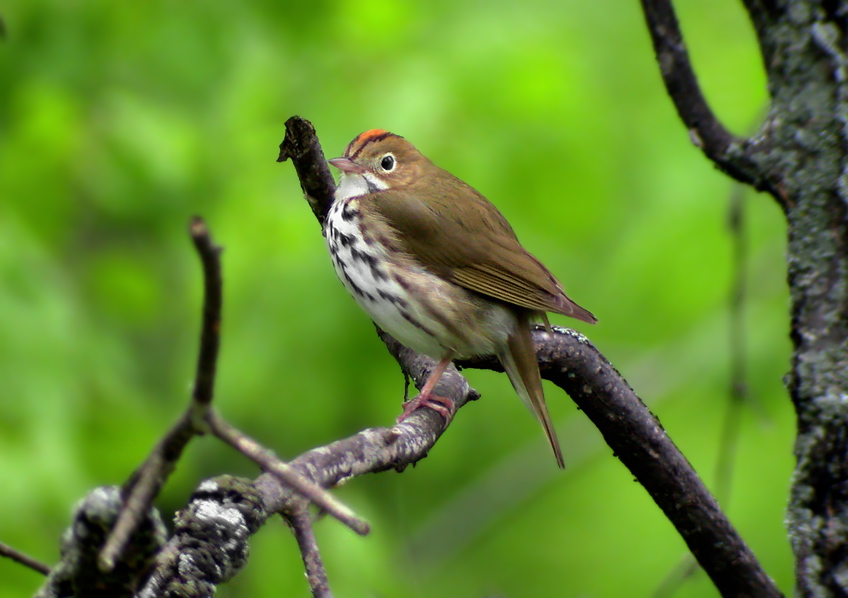
Ovenbird

The daylight hours are already perceptibly shorter and we begin our farewells to summer. I love this time of year for all its exquisite sensory gifts from nature. An Ovenbird at Pheasant Branch Conservancy became my 20th warbler species for this fall migration. Labor Day weekend saw an impressive movement of American Redstarts through southern Wisconsin. On Saturday morning nearly every tree at the conservancy seemed to have at least one or two redstarts flitting through leaves for insects and many of the males were singing. Winds picked up late morning and brought most warblers closer to the ground to forage. My birding companions and I were spellbound with close-up views of Magnolia Warblers, Chestnut-sided Warblers, Black-and White Warblers, Northern Parula, and a gorgeous Golden-winged Warbler still in breeding plumage.


Jack in the Pulpit (fruit)

As we enjoyed the birds, three non-birders approached and asked what we were watching. I quickly pointed out the Golden-winged because it was close, at eye level, and out in the open. Even without binoculars they were stunned by its beauty. A Blue-gray Gnatcatcher appeared, then a Black-and-white Warbler, followed by a Magnolia Warbler and American Redstart. “The woods are full of birds!” I said. As if her eyes were suddenly opened, one woman responded in astonishment, “Gosh, we would have just walked on by not even noticing them!” The three seemed sincerely interested in birds, so I gave a brief version of the story of migration. I won't be surprised if the next time I see them on the trail they'll be aiming binoculars into the woods.
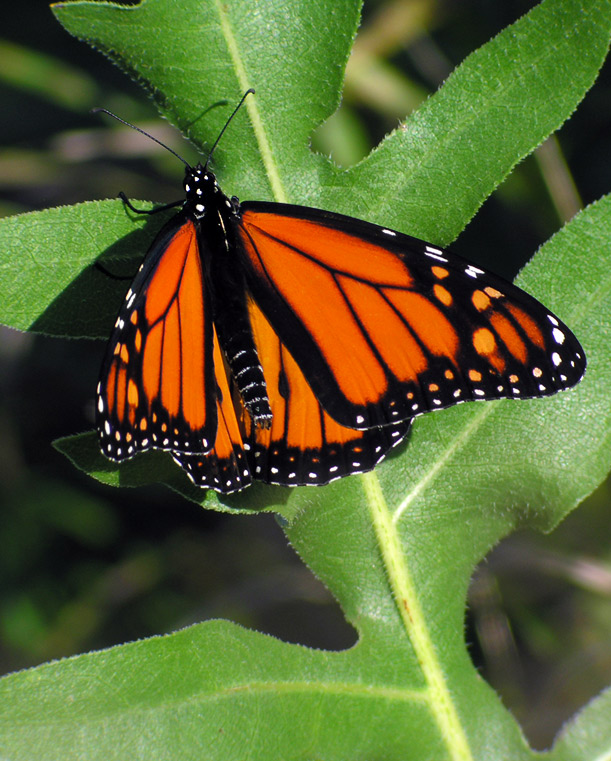

Monarch Butterfly

After breakfast at the Prairie Cafe, I visited the prairie parcel for the first time in over a month. The kingbirds and orioles have left, only a few yellowthroats and sedge wrens remain. The fields were teeming with butterflies, especially Monarchs, which appear to be having a good summer season.


Monarch Butterfly Caterpillar

The disparate coloration between caterpillar and butterfly gave me pause to drift in thought how forces of natural selection must work independently on each of them. I sat on a bench overlooking the prairie and listened to goldfinch chatter for a long time.

"It's difficult to believe one would not see more by extending the journey, but, in fact, experience proves that the longer a single locality is studied the more is found in it."

-- Richard Jefferies

Location: Pheasant Branch
Observation date: 9/4/10
Number of species: 46

Canada Goose
Cooper's Hawk
Sandhill Crane
Mourning Dove
Great Horned Owl
Barred Owl
Ruby-throated Hummingbird
Belted Kingfisher
Red-bellied Woodpecker
Downy Woodpecker
Hairy Woodpecker
Northern Flicker
Eastern Wood-Pewee
Eastern Phoebe
Red-eyed Vireo
Blue Jay
American Crow
Black-capped Chickadee
Tufted Titmouse
White-breasted Nuthatch
House Wren
Blue-gray Gnatcatcher
Swainson's Thrush
American Robin
Gray Catbird
Cedar Waxwing
Golden-winged Warbler
Tennessee Warbler
Nashville Warbler
Northern Parula
Chestnut-sided Warbler
Magnolia Warbler
Black-throated Green Warbler
Bay-breasted Warbler
Black-and-white Warbler
American Redstart
Ovenbird
Northern Waterthrush
Wilson's Warbler
Canada Warbler
Song Sparrow
Northern Cardinal
Rose-breasted Grosbeak
Brown-headed Cowbird
House Finch
American Goldfinch

All images © 2010 Mike McDowell
Wednesday, June 30, 2010

June Ends


Spring Green Preserve

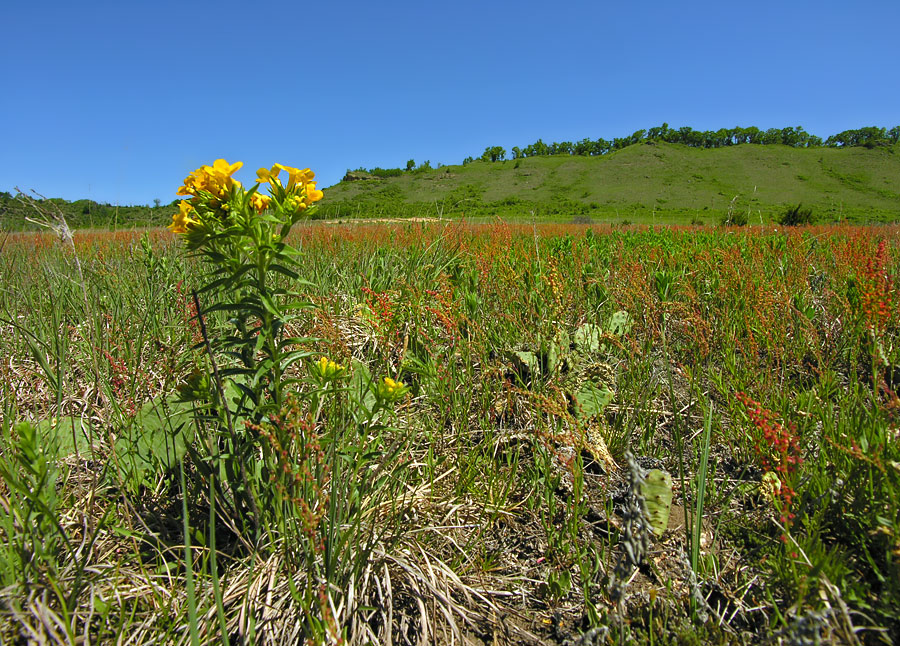
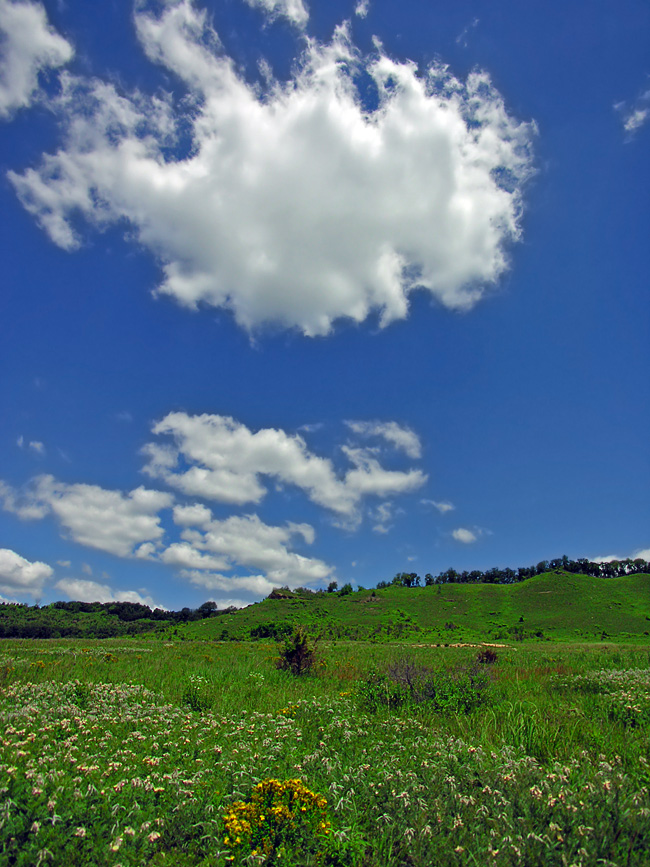
We've reached the end of a rather hot and rainy June. Days off work with good weather have been a little hard to come by, so my nature outings were fewer this month. Spring Green Preserve has an incredible diversity and richness of subjects to offer the naturalist and nature photographer, making it an easy destination choice on a day off with gorgeous weather. I rave about Spring Green frequently and my blog readers know it's of my favorite natural areas in Wisconsin; I'm very thankful it's close to Madison.


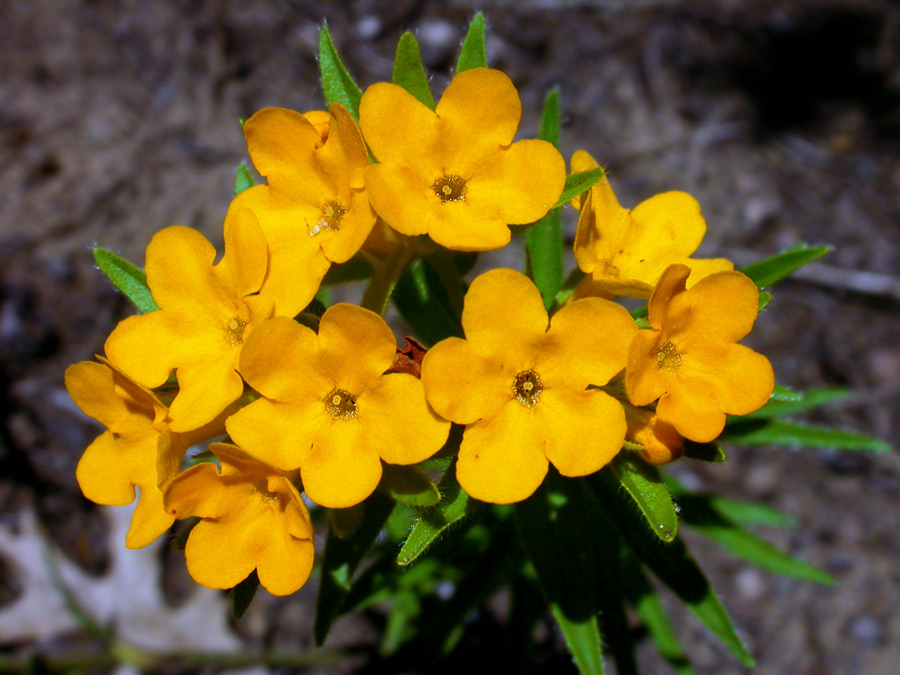
Puccon

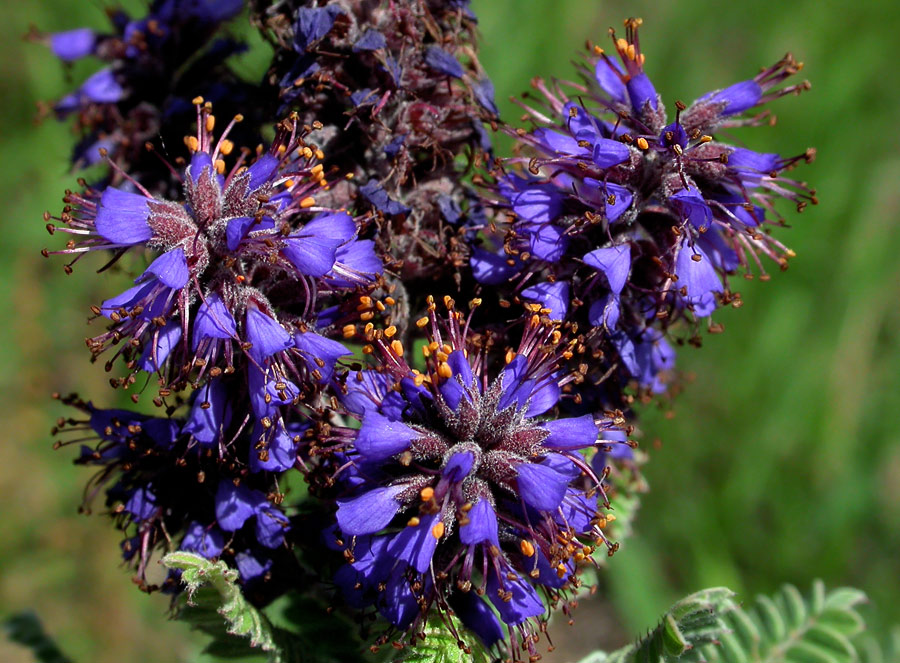
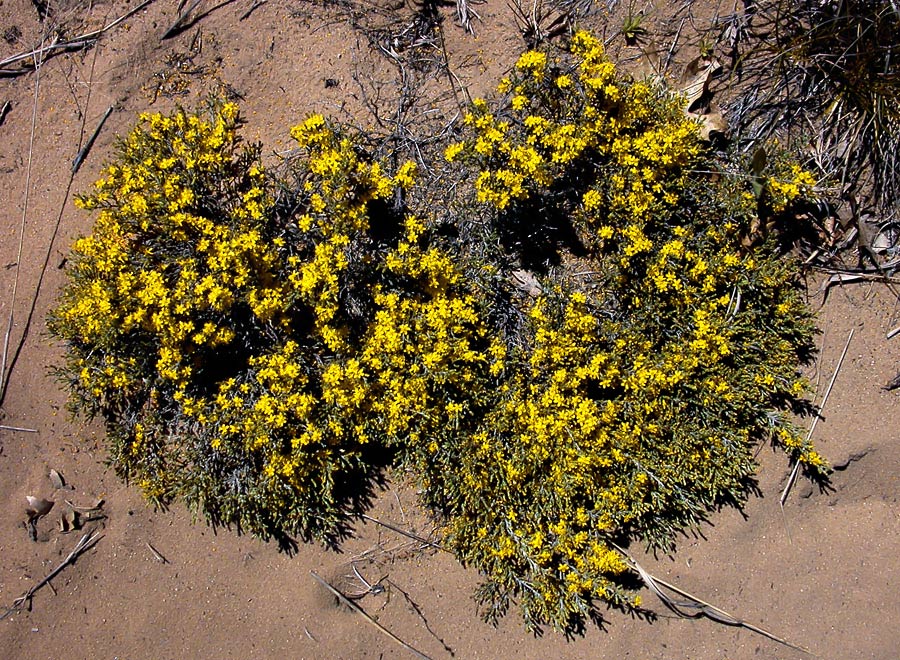
Throughout spring, summer, and fall, the prairie transfers from one accent to another. Sometimes yellow prevails against the green, other times it's blue or purple. St. John's Wort is wrapping up, so too has Goats Rue, and the Prickly Pear Cactus bloom is nearly over. Still, some early June wildflowers linger. Now flowering Lead Plant has the stage. Though it seems rather diminutive at a quick glance, it's a pretty astonishing flower when viewed up close.


Lead Plant


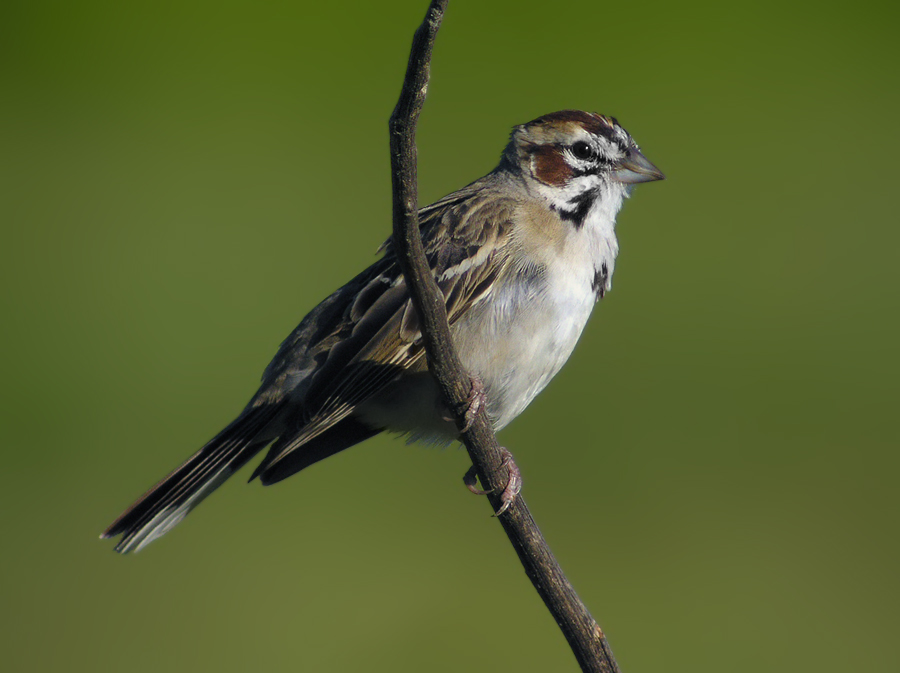
Lark Sparrow

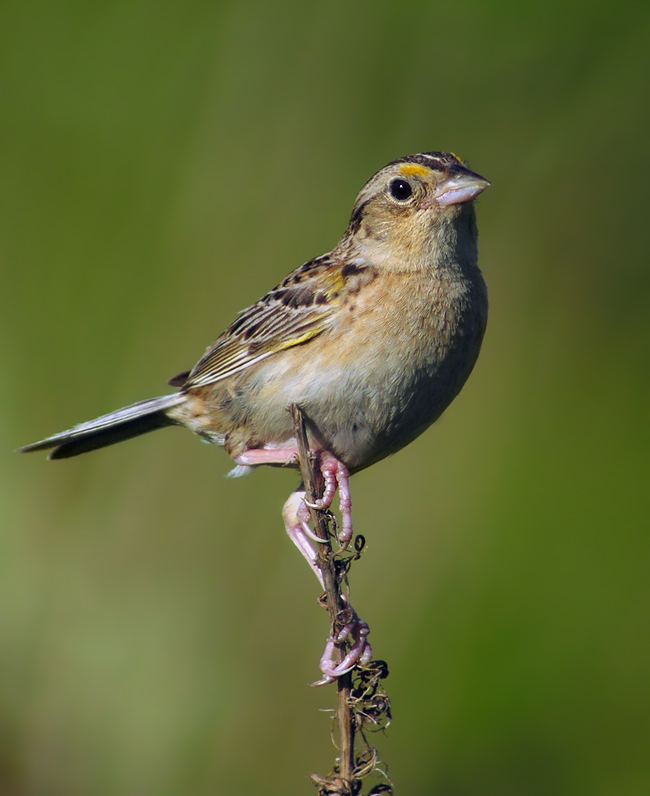
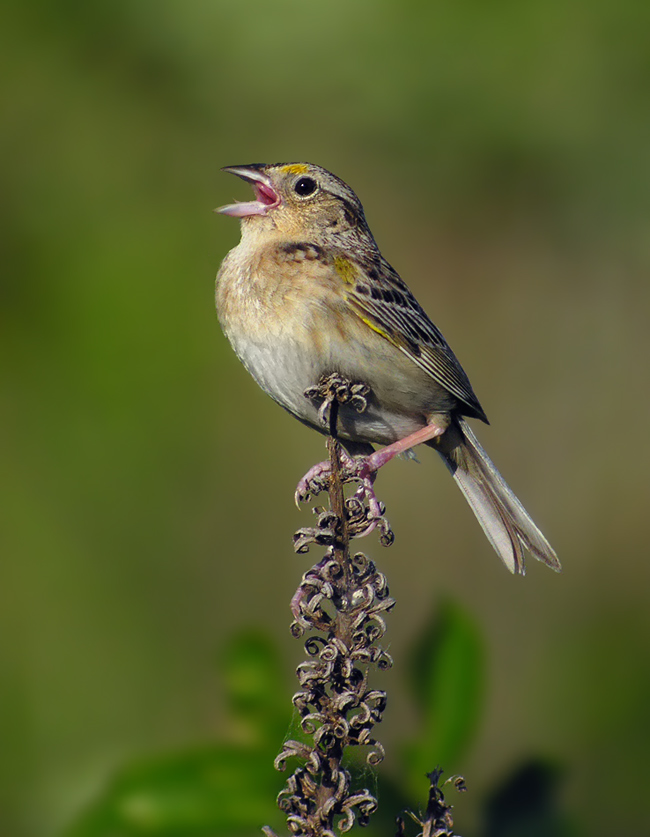
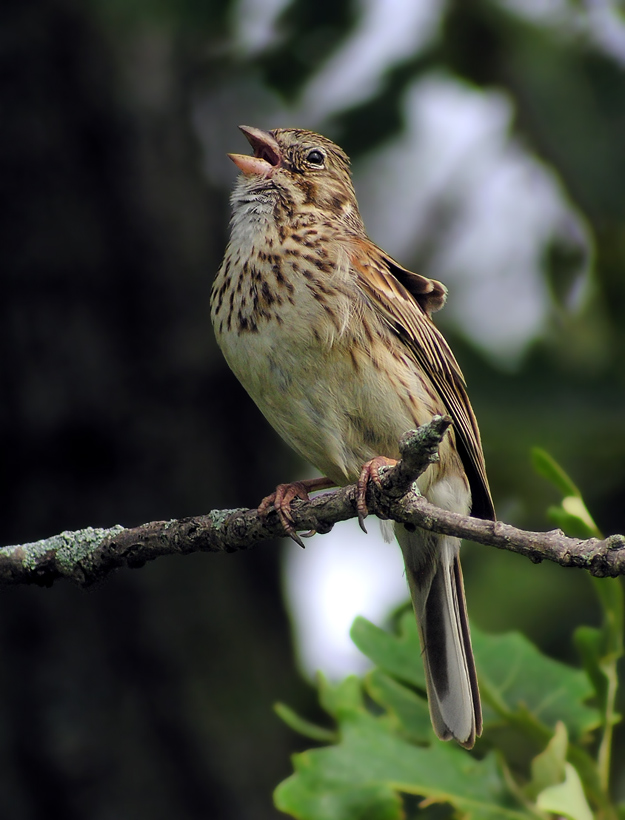
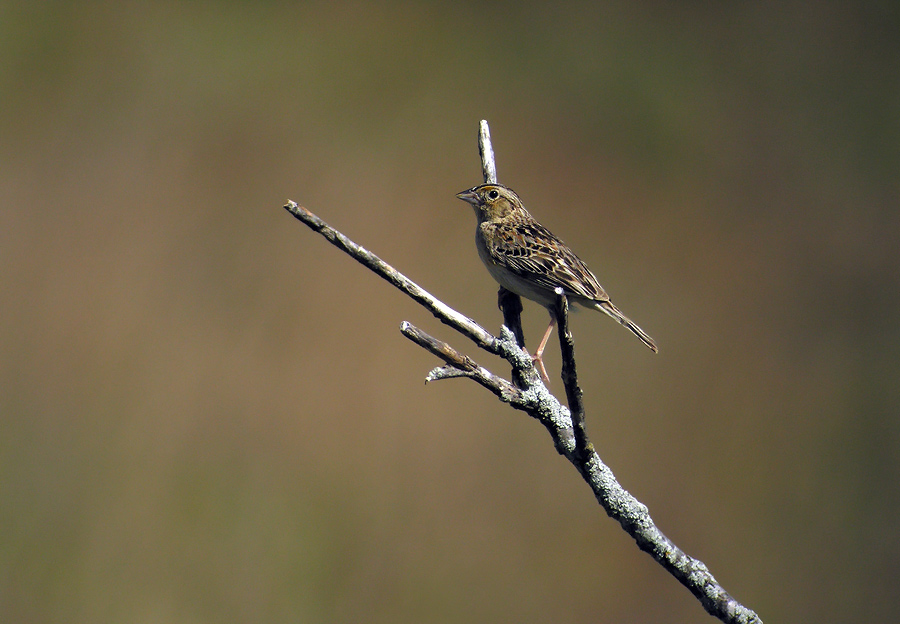
The most obvious birds of the prairie are sparrows: Field, Grasshopper, Vesper, and Lark Sparrows. It's nice that there seems to be a bumper crop of Grasshopper Sparrows this year. The males are still busy defending territories with song, which gave me plenty of opportunities to capture nice portraits of them.


Grasshopper Sparrow


Grasshopper Sparrow


Vesper Sparrow

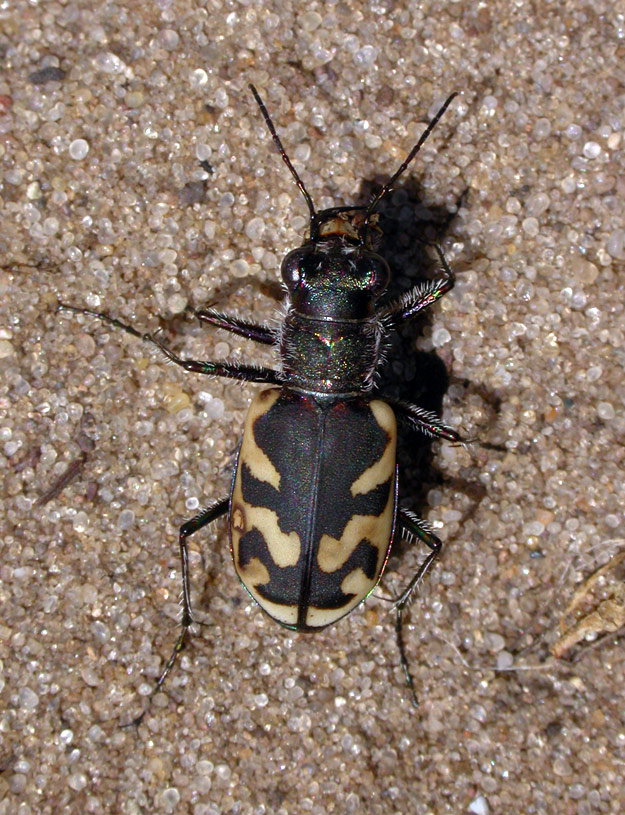
When walking the sandy trails at Spring Green Preserve, don't forget to look down. There are lots of interesting insects like Tiger Beetles, Velvet Ants, Dung Beetles, and Robber Flies just in front of your feet as you walk.


Beautiful Tiger Beetle


Robber Fly

I think Robber Flies are frighteningly cool insects that resemble something out of sci-fi horror flick with nasty behavior to boot. They have a spike-shaped proboscis that they jab into their prey and use it to inject saliva containing a mix of neurotoxins and enzymes that paralyze and digest the insides. Nice, huh? The devilish fly then sucks out the liquefied meal through its proboscis.


Robber Fly with prey

© 2010 Mike McDowell
Monday, June 7, 2010

Limitless Beauty


It's always been my intent to share nature at her very best. On occasion I have photographed a dead animal only when I thought such an image might be used to achieve some greater good for the benefit of other critters, but I seldom post them on my blog. Some who love and respect nature are so repulsed by the photographs of oil covered birds (and other animals) that they can't look at them.


I know there are certain things I do not need to see or experience to sense its emotional potency, but sometimes we need to take our collective medicine in order to gain proper understanding which will hopefully motivate us to action. Even so, the damage in the gulf is so huge it's difficult to even wrap our minds around it. If this heartbreaking fiasco doesn't serve as a catalyst to reduce our addiction to oil, then nothing ever will. What will it say about our legacy as a species if we fail to become better stewards of the Earth?

"Who ever sees dead birds in anything like the huge numbers stipulated by the certainty of the death of all birds? A dead bird is an incongruity, more startling than the unexpected live bird, sure evidence to the human mind that something has gone wrong. Birds do their dying off somewhere, behind things, under things, never on the wing."

-- Lewis Thomas, Death in the Open


Nature offers her limitless beauty and generosity. You can find such places no further than a local conservancy or natural area, perhaps your own backyard. Where we still allow the wild to be wild, the processes of nature unfold as they have for millions of years; in any given day we're witnessing a minuscule part of this grand story.


There is significance to be discovered even in what seems like insignificant parcels of time. Careful observation during a casual stroll through a prairie or a quiet walk through the woods will reveal living treasure. From the diminutive to the extraordinary, our experiences in nature leave us with cherished memories and lessons that resonate with us for the remainder of our lives; this is how we come to love and respect nature.


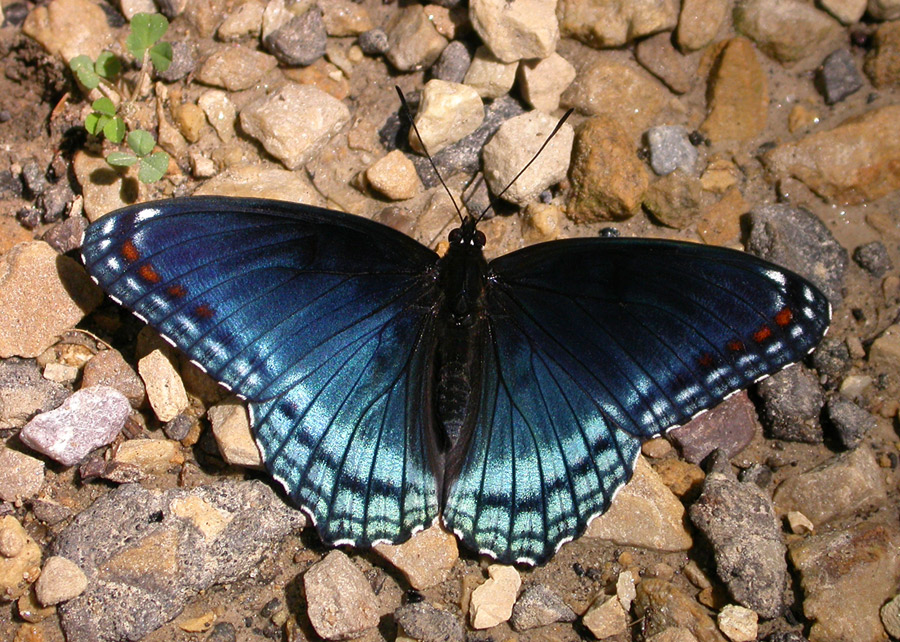
It's early June and already Chicory is starting to bloom along roadsides and bike trails. Despite the fact that it's an introduced invasive wildflower, I still find it rather attractive in color and shape. Yesterday I watched squadrons of Red-Spotted Purple Butterflies (subspecies of the White Admiral) darting around damp gravel in search of the perfect spot to extract a bit of moisture. Personally, I don't think there's another butterfly species found in Wisconsin that rivals it.


© 2010 Mike McDowell
Sunday, May 31, 2009

A Visit to Spring Green Preserve


I originally planned on going for a long bike ride today, but the weather was so nice I changed my mind and went to Spring Green Preserve. A 1,002 acre Nature Conservancy property, it contains a rich collection of flora and fauna found nowhere else in Wisconsin. There's so much diversity that it's practically impossible to experience it all in one day.

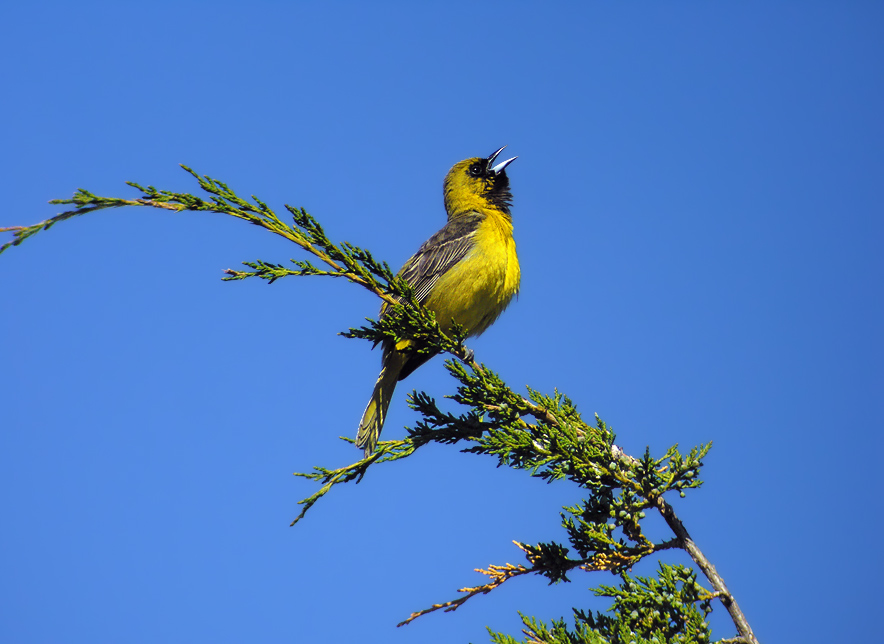
Orchard Oriole

It's a nature photographer's dream because there's something interesting to photograph in practically every square foot of habitat. You'll find various butterflies, dragonflies, tiger beetles (8 different species), wildflowers, birds, reptiles, and more. The scenic bluff, sand dunes, oak barrens, and cacti give one a taste of the American West. There are Rattlesnakes on the bluffs, so stay on the trail!

False Heather

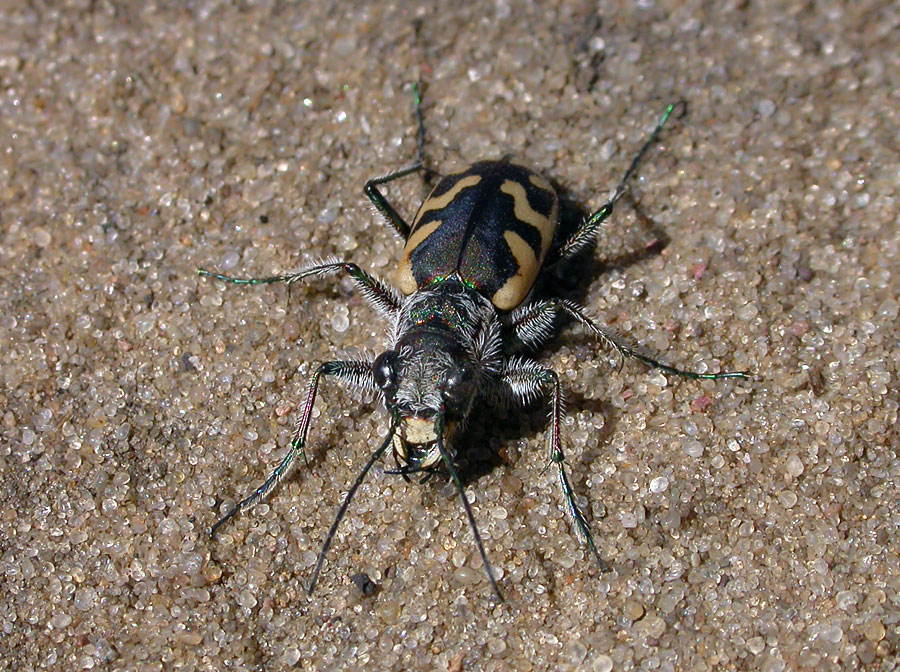
One of my challenges for the outing was to capture a good photograph of a tiger beetle. I prefer the macro capability of the Nikon Coolpix 4500 over my 8400, but this means getting the lens within a few inches of the beetle. This is no simple task! Tiger beetles are very active hunters and will usually fly further down the trail if you move too quickly toward them. Though there are 8 different species at Spring Green, I found 3 of them today, but the only one I got a decent photograph of was of this Beautiful Tiger Beetle (yeah, that's really its name!):

Beautiful Tiger Beetle

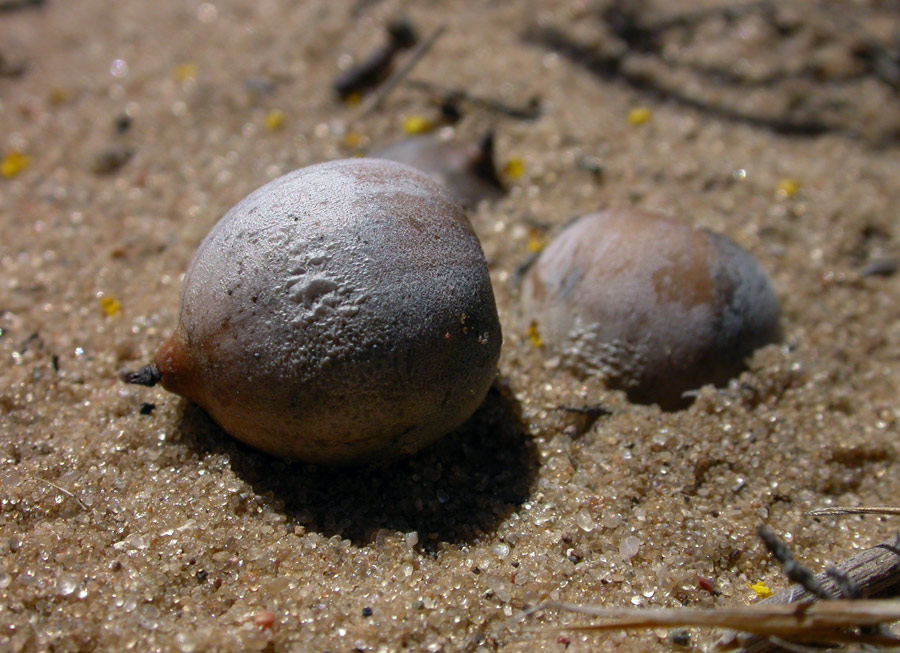
Acorns in the Sand

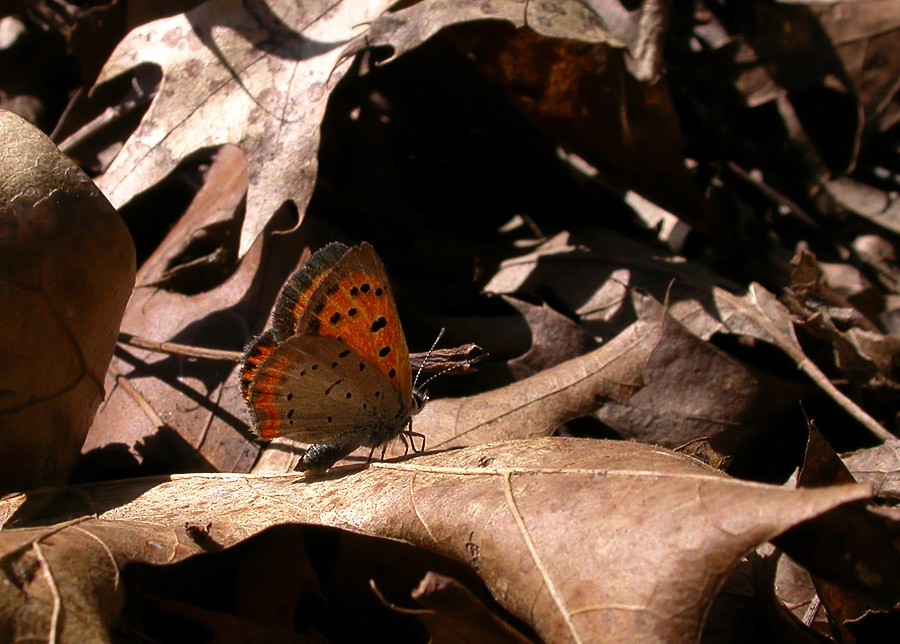
American Copper

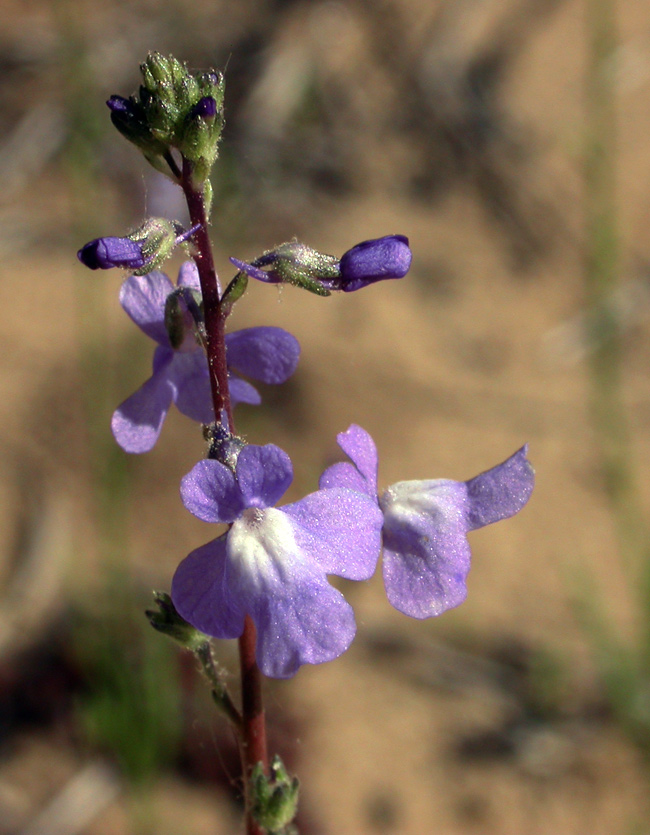
Blue Toadflax

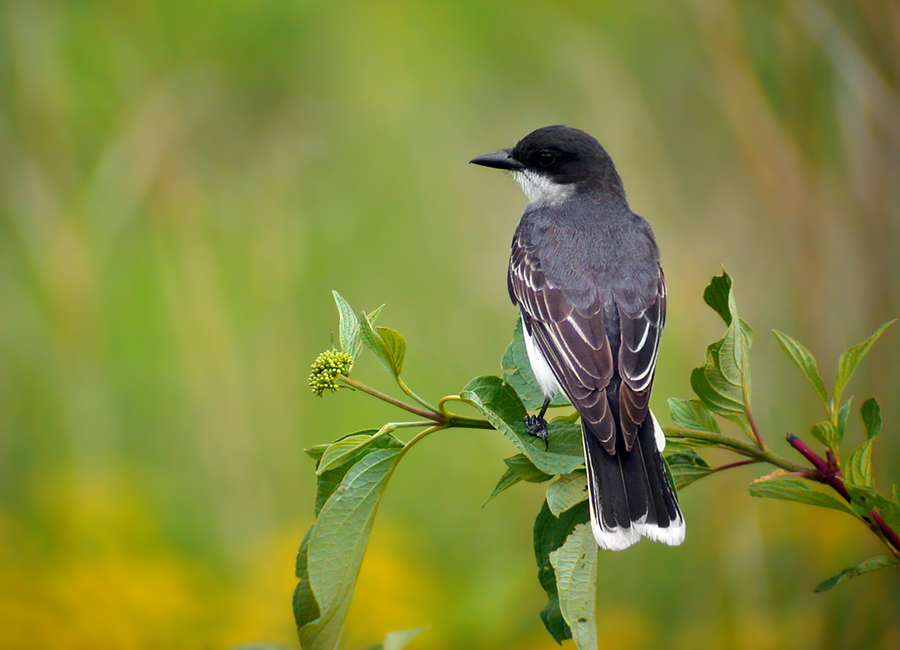
In addition to Grasshopper Sparrows, there were Vesper Sparrows, Lark Sparrows, Field Sparrows, Chipping Sparrows, and Song Sparrows. Toss in a Northern Mockingbird, Orchard and Baltimore Orioles, Brown Thrasher, Eastern Towhee, Wood Thrush, American Robins, Eastern Meadowlarks, and Eastern Kingbirds, and you've got quite a company of accomplished singers.

Grasshopper Sparrow

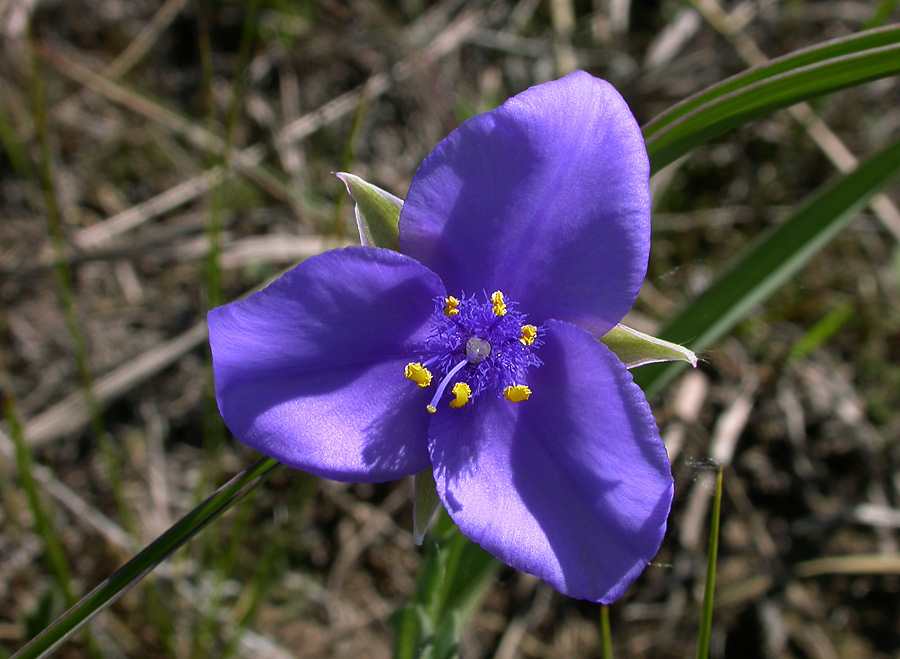
Spiderwort

© 2009 Mike McDowell